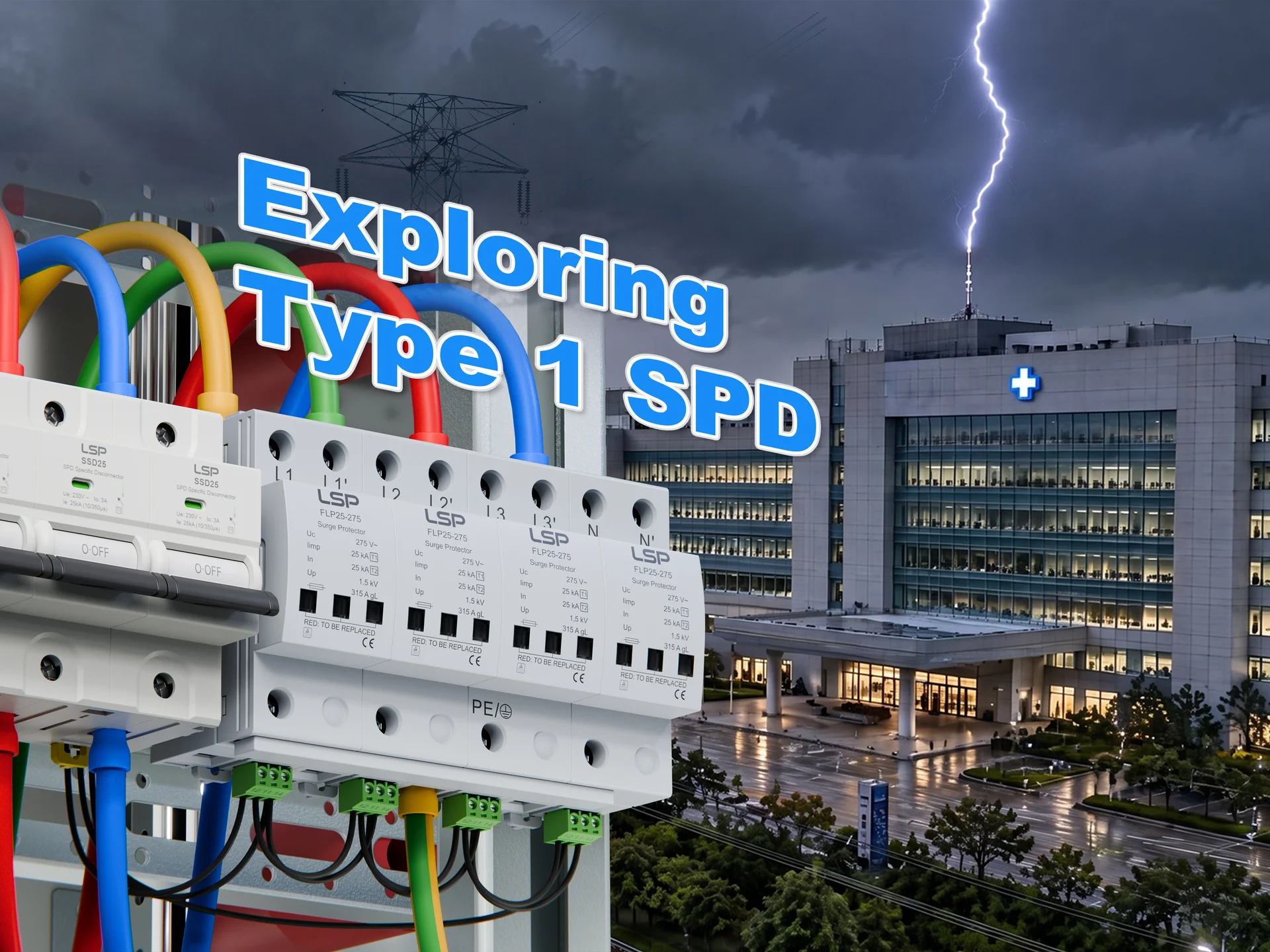
For your residential applications, a type 1 surge protector offers the best surge protection. It handles severe external surges, including lightning surges and grid switching events. You install this device at the service entrance to safeguard your entire electrical system. A type 2 surge protector serves a secondary role, but the type 1 unit remains the primary recommended defense for modern homes. This surge protection strategy ensures maximum safety and reliability for your valuable electronics.
Key Takeaways
Type 1 surge protectors handle the most dangerous surges, like lightning.
Install a Type 1 at your home’s service entrance for whole-house protection.
Type 1 devices meet strict IEC standards for safety and reliability.
Type 2 surge protectors add extra protection for sensitive electronics.
Use both Type 1 and Type 2 for a complete defense system.
Check your surge protector’s status window to know when to replace it.
Hire a licensed electrician to install a Type 1 surge protector.
Invest in a Type 1 to save money by preventing damage to your appliances.
Type 1 Surge Protector is the Superior Choice for Your Residential Applications
It Handles the Most Dangerous Surges
Why External Surges Are the Biggest Threat
External surges present the most serious risk to your home’s electrical system. Lightning strikes and utility grid switching events generate massive transient overvoltages that travel along power lines directly into your house. These events carry enormous energy. A lightning strike, even miles away, induces high currents in overhead lines. The resulting surge can destroy sensitive electronics, damage wiring, and even start fires. Without a device rated for these extreme conditions, your appliances remain vulnerable. The international standard IEC 61643-11 defines two test waveforms for surge protective devices. Type 1 devices undergo testing with a 10/350 μs waveform that simulates a partial lightning current. Type 2 devices use an 8/20 μs waveform that represents lower-energy switching transients. The 10/350 μs impulse contains significantly more energy than the 8/20 μs impulse. This higher energy content drives the need for a robust primary protection device.
Type 1’s High-Energy Dissipation Capability
A type 1 surge protector handles surge currents that would overwhelm lesser devices. The table below shows the typical surge current capacity for each type.
Surge Protector Type | Typical Surge Current Capacity (per mode) |
|---|---|
Type 1 | 20 kA – 40 kA |
Type 2 | 10 kA – 20 kA |
The key parameter for Type 1 devices is Iimp, the impulse current rating. For residential applications, the recommended minimum Iimp is 25 kA per pole. Industrial or high-risk locations may require ratings up to 100 kA. This capacity directly correlates with the device’s ability to dissipate energy from a lightning surge. When you install a Type 1 unit, you choose a device tested to withstand the most severe surge events. The surge protection capabilities of Type 1 devices ensure that even a lightning strike on your service entrance does not damage downstream equipment.
Installation at the Service Entrance Provides Complete Protection
Protecting the Entire Electrical System Before the Main Breaker
You install a type 1 surge protector at the service entrance, between the utility transformer and the main service breaker. This placement provides whole-home surge protection. The device clamps overvoltage events and diverts surge current to ground before that energy reaches your internal wiring. Every outlet, switch, and circuit in your home receives protection. The following benefits apply to this installation method:
Protection of high-value appliances: Blocks damaging voltage spikes before they reach refrigerators, washing machines, computers, and TVs.
Cost savings: Prevents costly repairs or replacements of devices like HVAC units, which a single strong surge can destroy.
Equipment longevity: Reduces wear from smaller, everyday surges that gradually weaken internal components and circuit boards.
Smart home support: Shields sensitive devices such as routers, speakers, and thermostats that are particularly vulnerable to power surges.
Whole-home coverage: Provides defense at every outlet, switch, and circuit, complementing point-of-use protectors.
System reliability: Limits surges to reduce overall stress on home wiring and circuits.
Property value: Built-in surge protection appeals to potential buyers, especially in storm-prone areas.
Potential insurance savings: Some insurers recognize surge protection as a risk-reduction measure, possibly lowering premiums.
Compliance with Electrical Codes
A surge protector that meets Type 1 requirements follows IEC 61643-11 for Class I applications. This standard ensures the device undergoes rigorous testing for lightning surge conditions. Many modern electrical codes now recommend or require Type 1 protection at the service entrance for new construction. Compliance with these standards gives you confidence in the device’s performance. You select a product that follows established international guidelines for safety and reliability. A surge protector designed to these specifications provides measurable protection for your entire home.
Cost-Effective for the Level of Protection
Higher Initial Investment, But Unmatched Security
A surge protector rated for Type 1 costs more than a Type 2 unit. The higher initial investment reflects the superior components and testing required for direct lightning surge protection. However, this investment provides unmatched security for your entire home. The alternative—relying only on Type 2 protection—leaves your main service panel exposed to high-energy voltage spikes from external sources. One lightning strike could damage every device connected to your electrical system. The cost of replacing a single HVAC unit, refrigerator, or home theater system often exceeds the price of a Type 1 device. You gain substantial surge protection at a fraction of the potential loss.
Avoiding Damage Costs from Major Surge Events
Consider the total replacement cost of electronics in a modern home. Smart appliances, computers, televisions, routers, and security systems add up to thousands of dollars. A single major surge event can destroy multiple devices simultaneously. The expense of replacing these items far exceeds the cost of installing a Type 1 unit. The surge protection provided by this device pays for itself in the first severe storm. You protect your investment in home technology and avoid the inconvenience of unexpected equipment failure. The long-term reliability of a Type 1 device means years of service with minimal maintenance. A surge protector installed at the service entrance remains the most cost-effective choice for safeguarding your home.
Understanding Type 1 vs Type 2 Surge Protectors
What is a Type 1 Surge Protector?
Installed at the Main Service Panel
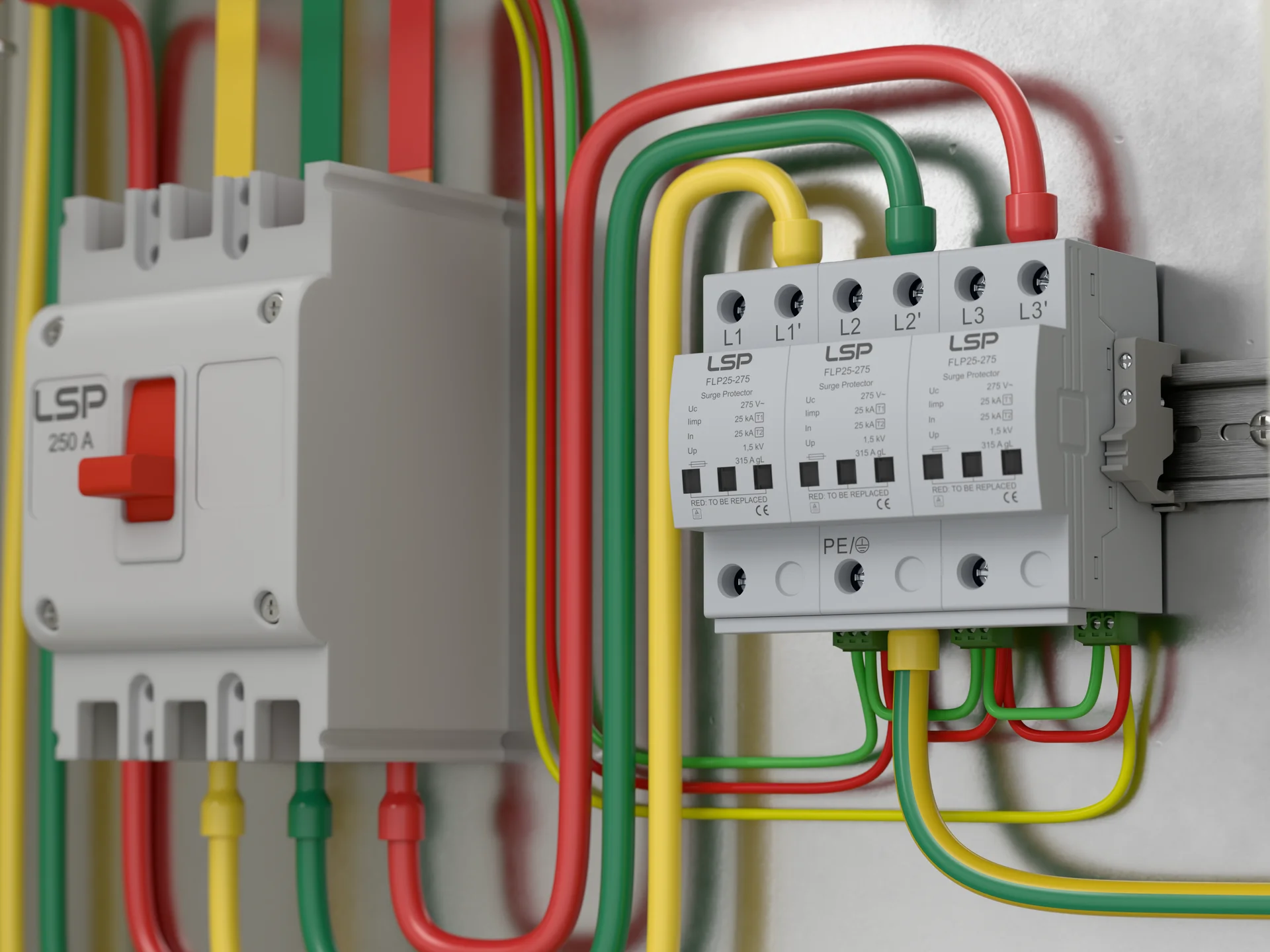
A Type 1 surge protector mounts at your main service panel, positioned between the utility transformer and your primary overcurrent disconnect. This location places the device at the very entry point of your home’s electrical system. You connect it permanently to the supply side of the service entrance, meaning it protects everything downstream. According to Eaton’s surge protection documentation, this installation point requires no dedicated fuse because the device sits before the main breaker. The placement allows the unit to intercept external surges before they reach your internal wiring, appliances, or sensitive electronics.
Rated for 10/350 µs Lightning Surges
Manufacturers test Type 1 devices under IEC 61643-11 using the 10/350 µs current waveform. This waveform simulates a partial lightning current, representing the most severe surge event your home can experience. The impulse current rating, designated as Iimp, typically ranges from 12.5 kA to 100 kA per pole, with a recommended minimum of 25 kA for residential applications. This parameter tells you how much energy the device can divert to ground during a direct lightning surge. When you select a Type 1 unit, you choose a surge protective device engineered for the harshest conditions nature can deliver.

What is a Type 2 Surge Protector?
Installed at Sub-Panels or Distribution Boards
A Type 2 surge protector installs on the load side of your main overcurrent device. You typically find these units within distribution panels, sub-panels, or switchboards downstream from the service entrance. This placement means the device protects specific circuits or sections of your home rather than the entire system. A type 2 surge protector may require a dedicated fuse or breaker for proper operation, depending on the manufacturer’s specifications. You would use this device to protect a workshop sub-panel, a home theater circuit, or a dedicated appliance line.
Rated for 8/20 µs Surges
Type 2 devices undergo testing with the 8/20 µs current waveform under IEC/EN 61643-11. This waveform represents induced lightning effects and switching transients—lower-energy events compared to direct strikes. The nominal discharge current (In) and maximum discharge current (Imax) typically range from 20 kA to 110 kA. These parameters indicate the device’s capacity to handle repeated moderate surges and occasional larger events. A Type 2 unit provides solid protection for internal surge sources, but it lacks the capacity for direct lightning surge events.
Key Differences: Location, Capacity, and Application
Feature | Type 1 SPD | Type 2 SPD |
|---|---|---|
Installation Location | Service entrance, before main breaker | Load side of main overcurrent device |
Test Waveform | 10/350 µs (Iimp 12.5kA–100kA) | 8/20 µs (In & Imax 20kA–110kA) |
Primary Function | Direct lightning surge protection | Switching transient and residual surge protection |
Type 1: First Line of Defense
Your Type 1 unit serves as the first line of defense against external threats. It handles the massive energy from lightning surges and grid switching events before anything else in your system sees them. This device clamps overvoltage conditions and diverts surge current to ground, protecting every circuit downstream. The Eaton documentation confirms that Type 1 devices are dual-rated for Type 2 applications, meaning they offer broader protection coverage. For whole-home surge protection, this primary device provides the foundation of your defense strategy.
Type 2: Secondary Protection for Internal Surges
A Type 2 unit functions as secondary protection for surges originating inside your home or residual external surges that pass through your Type 1 device. Large appliances cycling on and off, HVAC systems starting, and other internal switching events create transient overvoltages that a Type 2 unit manages effectively. You might install these devices at sub-panels feeding home theaters, computer workstations, or other sensitive equipment areas. While valuable, a Type 2 alone cannot protect against direct lightning surge events. The combination of Type 1 at your service entrance and Type 2 at critical sub-panels creates a comprehensive surge protection strategy that addresses both external and internal threats.
Why Type 1 Surge Protector is the Gold Standard for Residential Protection
Handles the Most Severe Surge Events
Protection from Grid Switching and Lightning
External surges pose the greatest threat to your home’s electrical system. Two primary causes of severe external surges affect residential areas:
Lightning strikes, though infrequent, can cause catastrophic surges that damage wiring and appliances.
Utility grid switching, including capacitor bank switching and fault-clearing operations, produces surges when power disconnects and reconnects.
A Type 1 surge protector handles these threats by installing on the line side of the utility connection. This device acts as a shield, redirecting excess voltage away from your home’s electrical system and safely into the ground. It provides the first line of defense against external surges, ensuring only safe electricity enters your home.
Electrical safety experts recommend Type 1 devices for whole-home surge protection. A certified electrical contractor must install these devices on the line side. Improper installation can invalidate home insurance and may lead to prosecution by the utility company. The protection level offered by Type 1 devices is the highest available for residential applications.
Superior Energy Handling Capacity
A surge protector rated for Type 1 applications handles surge currents that would destroy lesser devices. The key parameter is Iimp, the impulse current rating, which typically ranges from 12.5 kA to 100 kA per pole, with a recommended minimum of 25 kA for residential applications. Higher surge current ratings generally indicate longer service life, allowing the device to absorb more surges before requiring replacement. For whole-house protection, a Type 1 device should have a high energy handling capacity to survive a severe lightning surge event.
The table below shows the protection levels available for home surge protection:
Protection Level | Installation Location | Primary Function |
|---|---|---|
Level 1 (Type 1) | At the meter or service side of the main disconnect | Protects against massive external spikes from the utility grid or direct strikes |
Level 2 (Type 2) | Mounted to the electrical panel | Serves as central gatekeeper for all branch circuits |
Level 3 (Type 3) | Point-of-use strips | Provides final filtration for ultra-sensitive electronics |
This layered approach is necessary because Type 2 units cannot stop surges originating between the panel and the outlet, making Type 1 the essential first line of defense. A comprehensive surge protection strategy begins with a Type 1 device at the service entrance.
Recommended by Experts for Whole-Home Safety
Aligns with Latest IEC Requirements
A Type 1 surge protector that meets IEC 61643-11 standards undergoes rigorous testing for lightning surge conditions. This international standard ensures the device can handle the 10/350 μs waveform that simulates a partial lightning current. Compliance with these standards gives you confidence in the device’s performance.
Long-Term Reliability and Low Maintenance
Robust Design for Years of Service
A surge protector with Type 1 ratings has a long lifespan under normal operating conditions. This estimate assumes standard installation environments without frequent severe surges. The robust design of these devices includes high-quality metal oxide varistors and gas discharge tubes that withstand repeated surge events. The device’s construction allows it to clamp overvoltage events and divert surge current to ground reliably for years. You invest once and enjoy long-term protection for your entire home. The durability of these components means fewer replacements and lower overall cost of ownership.
Easy to Monitor and Replace
Monitoring your surge protector is straightforward. Most devices include a status window that shows green when the unit operates normally. A non-green indication signals that the device needs replacement. This simple visual check lets you verify your surge protection capabilities at a glance. When replacement becomes necessary, the modular design of many surge protectors allows quick and easy installation. You maintain continuous protection for your home without complex procedures. The status indicator eliminates guesswork, giving you confidence that your system remains fully operational.
When a Type 2 Surge Protector is a Useful Addition
Layered Protection Strategy
Type 1 at the Main, Type 2 at Sub-Panels
You create the most complete surge protection strategy by installing a Type 1 device at the service entrance and a Type 2 unit at downstream sub-panels. This layered approach handles surges from both external and internal sources. The Type 1 device discharges high-energy external surges, such as those from lightning-induced events. It prevents direct penetration of massive energy into your home wiring. The Type 2 unit then further reduces any residual voltage that passes through the first layer. It also manages internal overvoltage caused by switching events within your home. The following table shows how these two layers work together:
Protection Layer | Typical Installation Point | Primary Function | Benefit as Secondary Defense |
|---|---|---|---|
Type 1 SPD | Main distribution cabinet | Discharge external high-energy surges | Handles bulk surge energy, preventing direct penetration into home wiring |
Type 2 SPD | Floor distribution box or important equipment front-end | Further reduce residual voltage; manage internal overvoltage and switching spikes | Acts as second line of defense, clamping residual voltage after Type 1 discharge |
Protecting Sensitive Electronics at Point of Use
You can install a Type 2 device at the distribution box feeding a home theater, computer workstation, or smart home hub. This placement ensures that sensitive electronics receive the lowest possible residual voltage. The Type 2 unit clamps transients from internal sources like HVAC system startups or large appliance cycling. It protects your valuable equipment from cumulative wear caused by repeated small surges. This point-of-use surge protection delivers the cleanest power to your most critical devices.
Specific Scenarios for Type 2
Homes with Internal Surge Sources
Large appliances like refrigerators, air conditioners, and washing machines generate switching transients when their motors start and stop. These internal surges travel through your home wiring and can degrade sensitive electronics over time. A Type 2 surge protector installed at the sub-panel feeding these devices catches these internal disturbances. It prevents them from reaching your computers, televisions, and other vulnerable equipment. You gain additional surge protection for the circuits that matter most.
As a Backup for Type 1 Devices
Even with a Type 1 device at the service entrance, residual voltage may pass through to downstream circuits. A Type 2 unit provides a second clamping stage that further reduces this voltage. This backup function is especially beneficial for homes with overhead power lines, where external surges pose a greater risk. A Type 1 device does not replace a Type 2; instead, it works best when paired with a Type 2 for comprehensive protection.
A Type 1 device does not replace a Type 2; instead, it works best when paired with a Type 2 for comprehensive protection.
Type 2 Alone is Not Enough
Limitations Against Direct Lightning Strikes
A single bolt of lightning contains an enormous amount of energy. No system can divert 100% of that energy safely into the ground. A type 2 surge protector, designed for internal surges and switching transients, cannot handle the extreme voltage of a lightning-induced surge. During a high-energy surge from a direct or nearby lightning event, a surge protector on its own may not offer sufficient protection. Your appliances and electronic devices could still sustain damage. This limitation makes the Type 2 unit unsuitable as your sole surge protection measure.
Why Type 1 Should Be the Primary Choice
Type 1 surge protectors are built to handle lightning-induced surges and other large events that originate outside your building. You install them on the line side, before the main circuit breaker. Type 2 devices work inside your building, installed on the load side after the main breaker. They catch surges that happen internally. For the best protection, you should consider using both devices. They work together to form a layered defense system against both outside threats and internal risks. The Type 1 unit serves as your first line of defense against external surges, while the Type 2 unit provides secondary protection closer to your equipment. This combination delivers the most reliable surge protection for your entire home.
How to Choose the Right Surge Protector for Your Residential Applications
Consider Your Home’s Location and Risk
High Lightning Frequency Areas
Your geographic location determines the surge protection tier you need. In regions with frequent lightning activity, a Type 1 surge protector at the service entrance is a baseline requirement. The external surge threat is too high for secondary protection alone. In low-lightning areas, a homeowner can prioritize a Type 2 whole-home surge protection device combined with point-of-use protectors. A Type 1 unit remains the most reliable choice for safety.
Overhead Power Lines vs. Underground
Overhead power lines are directly exposed to lightning strikes and induced surges. Underground power lines offer some attenuation of surge energy, but they do not eliminate the risk. Grid faults and switching events still create transient overvoltages through underground cables. For homes with overhead lines, a Type 1 surge protector is essential. Even with underground service, a Type 1 device provides the highest level of surge protection.
Key Specifications to Look For
Iimp, Imax, and Voltage Protection Rating
Focus on three specifications when selecting a Type 1 surge protector. The first is Iimp, the impulse current rating measured with the 10/350 μs waveform. This parameter defines the device’s ability to handle a partial lightning current. For residential applications, a minimum Iimp of 25 kA per pole is recommended. The second specification is Up, the voltage protection level. This value indicates the voltage at which the surge protector clamps the overvoltage. A lower Up means better protection for your downstream equipment. Look for a low clamping voltage for optimal surge protection capabilities.

IEC 61643-11 Certification
Every surge protector must comply with IEC 61643-11, the international standard for low-voltage surge protective devices. This certification ensures rigorous surge protection testing for Type 1 and Type 2 applications.
Professional Installation is Recommended
Why a Licensed Electrician is Essential
Installing a Type 1 device requires working inside your main panel with potentially lethal voltage. A licensed electrician performs this work safely. Improper installation leads to inadequate grounding, which prevents the device from directing excess voltage to earth. Incorrect installation also voids the manufacturer’s warranty. A professional electrician verifies your grounding system and ensures the device activates properly.
Conclusion
Choosing between a Type 1 and Type 2 surge protector for residential use depends on your electrical system, installation location, and level of surge protection required. Type 1 SPDs are designed to provide primary protection against high-energy surges entering a residential electrical system, while Type 2 SPDs provide secondary protection at distribution panels and help protect downstream electrical equipment.

LSP is a professional SPD manufacturer offering AC and DC surge protective devices for residential, commercial, and industrial applications. Explore LSP’s SPD solutions or contact our team today to discuss your application and find the right surge protection solution.
FAQ
What is the difference between Type 1 and Type 2 surge protectors?
Type 1 devices install at the service entrance. They handle 10/350 µs lightning surges. Type 2 units install after the main breaker. They manage 8/20 µs switching transients. Type 1 provides your primary defense against high-energy external surges.
Why do you need a Type 1 surge protector with underground power lines?
Grid faults and switching events still create transient overvoltages through underground cables. A Type 1 device provides the highest surge protection level at the entry point. It clamps overvoltage before energy reaches your internal wiring.
How do you know when your surge protector needs replacement?
Most Type 1 devices include a status window. Green indicates normal operation. A non-green signal means the unit requires replacement. Check this indicator periodically to verify your device remains active.
Can a Type 2 surge protector alone protect your home?
No. Type 2 devices handle lower-energy switching surges, not direct lightning events. For comprehensive protection, you need a Type 1 device at the service entrance. The Type 1 unit serves as your primary defense.
How long does a Type 1 surge protector typically last?
A Type 1 device typically lasts many years under normal conditions. Its robust design handles repeated surge events. The status window helps you monitor its condition easily.