A fuse electrical symbol shows where a fuse is in a diagram. You see this symbol as a rectangle with a line through it. It is easy to find in circuit drawings. This symbol means a fuse protects the circuit from too much current. When you read a diagram, the fuse electrical symbol helps you know what part will stop if something goes wrong. Different fuses, like fast blow and slow blow, use the fuse electrical symbol in schematics. You can see their differences in the table below:
Fuse Type | Description |
|---|---|
Fast Blow | Instantly blows when the current goes over its limit. It protects sensitive equipment. |
Slow Blow | Can handle high current for a short time. It works for things like motors that need a surge at startup. |
When you learn to spot the fuse electrical symbol, you get better at understanding how each fuse keeps electrical systems safe.
Fuse Electrical Symbol Overview
Standard IEC Symbol
You can find the fuse symbol in almost every electrical diagram. The International Electrotechnical Commission (IEC) sets the standard for how this symbol looks. The IEC standard makes sure that everyone uses the same design for the fuse symbol, no matter where you are in the world. This helps you read and understand diagrams from different countries.

Here is a table that shows how the IEC and IEEE/ANSI standards display the fuse symbol:
Standard Type | Visual Representation |
|---|---|
IEC Standard | Filled rectangle with a line passing through its center |
IEEE/ANSI Standard | Rectangular shape with two connecting points on its end or zigzag line enclosed within a rectangle |
The IEC fuse symbol uses a simple filled rectangle with a line through the center. This design makes it easy for you to spot the fuse in a circuit. The IEEE/ANSI standard uses a rectangle with two connecting points or sometimes a zigzag line inside. Both symbols show you where the fuse sits in the circuit and what it protects.
Note: The use of a standard fuse symbol helps engineers and technicians work together, even if they come from different countries. This standardization makes sure that everyone understands the same thing when they see the fuse and symbol in a diagram.
Visual Identification in Schematics
When you look at a circuit schematic, you need to find the fuse quickly. The fuse symbol stands out because of its unique shape. You will see a rectangle with a line through it, or sometimes a zigzag inside. This tells you that a fuse protects that part of the circuit.
You must pay close attention to the fuse symbol. Many people mistake the fuse for other parts, like resistors. This mistake can cause problems. If you confuse the fuse with another part, you might install the wrong component. This can lead to safety risks, because the fuse is there to stop too much current and protect the circuit.
Recognizing the fuse symbol helps you choose the right fuse for each job. If you pick the wrong fuse, it might blow too soon or not work when needed. This can damage the circuit or cause interruptions. You need to make sure you always use the correct fuse to keep the system safe.
The fuse symbol also helps you when you troubleshoot a circuit. If something goes wrong, you can look for the fuse symbol to find out where the protection is. This makes it easier for you to fix problems and keep the system running.
Tip: Always double-check the fuse symbol in your schematic. Standard symbols make it easier for you to read diagrams from anywhere in the world. This helps you work safely and understand how the fuse protects the circuit.
You will see the fuse symbol in many types of schematics, from home wiring to industrial machines. The symbol always shows you where the fuse sits and what it protects. By learning to spot the fuse symbol, you make your work safer and more accurate.
Types of Fuse Symbols

When you look at electrical diagrams, you will see many fuse symbols. Each one tells you about a different type of fuse and its job in the circuit. Fuse symbols help you understand what kind of protection each part of the system has.
Generic Fuse Symbol
The generic fuse symbol is the most common one you will find. It looks simple and easy to spot. You will see a rectangle with a line through it in most international diagrams. This symbol shows you that a fuse protects the circuit from too much current. The IEC and IEEE standards both use this symbol, but the shapes can look a little different. The IEC uses a rectangle with a straight line, while the IEEE sometimes uses a rectangle with curves or an “S” shape.
The generic fuse symbol gives you a quick way to see where basic overcurrent protection is in any circuit.
Fast Blow vs. Slow Blow
You will also find special fuse symbols for fast blow and slow blow fuses. The fast blow fuse symbol tells you that the fuse will break the circuit right away if the current goes over the limit. This type of fuse protects sensitive devices. The slow blow fuse symbol shows you that the fuse can handle short bursts of high current, like when a motor starts up. This symbol helps you know that the fuse will not blow during normal surges.
Here is a table to help you see the difference:
Fuse Type | Where You Use It |
|---|---|
Fast Blow | Protects sensitive equipment and general wiring from overloads |
Slow Blow | Used in circuits with motors or devices that need a surge of power at startup |
Thermal and Specialized Fuses
Some fuse symbols show you even more details. The thermal fuse symbol means the fuse will open if the temperature gets too high, not just from too much current. You might see other specialized fuse symbols, like a fuse with an alarm contact or a fuse switch disconnector. These symbols tell you about extra features, such as alarms or manual switches.
Fuse symbols can change based on what the fuse does. For example, a fuse with a striker or an oil type fuse has its own symbol. You need to know these symbols so you can read schematics for any application, from home wiring to big industrial machines.
Knowing the different fuse symbols helps you pick the right fuse for each job and keeps your circuits safe.
Meaning and Function
Symbol Interpretation
Fuse symbols in diagrams use simple shapes. The fuse symbol has a line and a small rectangle. This makes it easy to find the fuse in a circuit. Circuit breakers look different. They use two circles with a line between them. Knowing these symbols helps you spot safety parts in a circuit. You need to learn these symbols for fixing and checking electrical systems.
The fuse symbol has a line and rectangle.
Circuit breakers have two circles and a line.
Learning these symbols helps you fix and keep systems safe.
Fuse symbols show you where safety devices are. When you see them, you know that part is protected. This helps you avoid mistakes and keeps you safe at work.
Role in Circuit Protection
Fuse symbols tell you where protection is in a circuit. The fuse stops too much current from passing through. If the current gets too high, the fuse breaks the circuit. This keeps equipment safe and lowers fire risk.
Recent studies show fuses work well for safety. You can see the results in the table below:
Evidence Type | Description |
|---|---|
Reduction in Electrical Fires | Proper fuses can lower electrical fires by up to 70%. |
Reduction in Electrical Accidents | New fuse technology can cut electrical accidents by 60-80%. |
Reduction in Fault Current | Special fuses can lower short-circuit energy by 25%. |
When you look at a diagram and see fuse symbols, you know where safety is. This helps you pick the right fuse and keeps your system safe. Fuse symbols make it easy to find safety features and see how each fuse protects the circuit.
Application and Related Symbols
Residential, Industrial, Automotive Uses
You can find fuse symbols in many places. These symbols show what keeps each part safe. At home, a fuse keeps circuits from getting too much current. If there is too much current, the fuse breaks the circuit. This helps stop fires and keeps your family safe. In factories, fuse symbols show where machines have protection. If a machine uses too much current, the fuse stops the flow. This keeps machines from breaking and saves money on repairs. In cars, fuse symbols are in wiring diagrams. The fuse keeps the car’s electrical system safe. If there is a short circuit, the fuse stops the flow. This helps stop fires and keeps important parts safe.
Here is a table that shows how fuse symbols are used in different places:
Application Area | Description |
|---|---|
Residential | Fuses keep home circuits safe from too much current. |
Industrial | Fuses protect machines from damage by stopping extra current. |
Automotive | Fuses keep car electrical systems safe from shorts and fires. |
When you look at a diagram, you can find the fuse symbol. This helps you know what part is protected. Knowing this helps you stay safe and understand how fuses work.
Other Protection Symbols
You will see other protection symbols in electrical diagrams. These symbols show what else protects the circuit besides a fuse. Circuit breakers have a different symbol. They open the circuit if the current gets too high. You can turn a circuit breaker back on after it trips. They protect devices from voltage spikes but do not stop the circuit in normal times.

Here is a table that shows the differences:
Device Type | Function Description |
|---|---|
Fuse | Stops too much current by melting a wire and breaking the circuit. |
Circuit Breaker | Opens the circuit if current is too high and can be reset. |
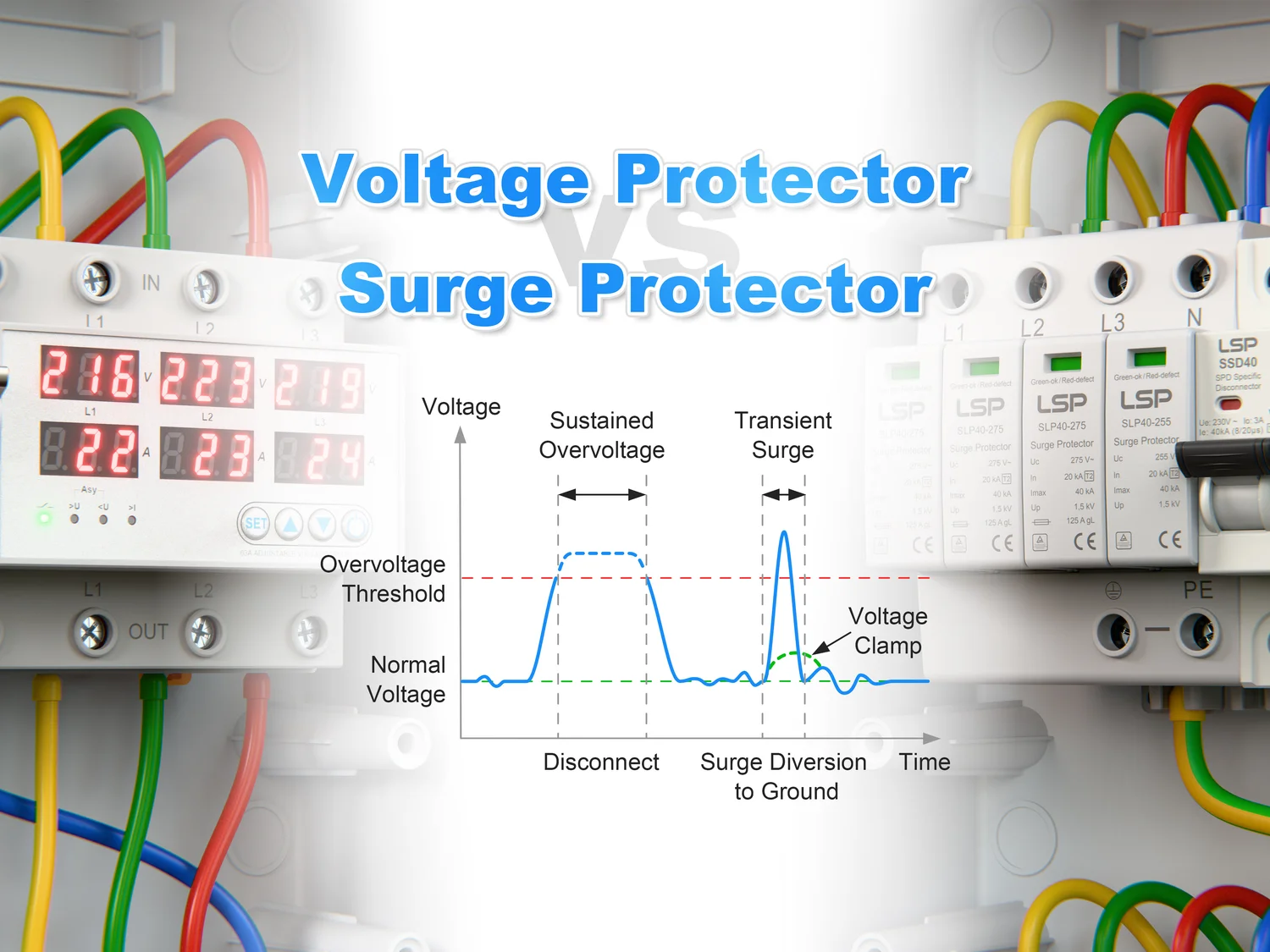
You need to know these symbols to see what keeps each part safe. Fuse symbols show where overcurrent protection is. Circuit breaker and surge protector symbols show other safety parts. Knowing these helps you pick the right protection for each job.
You must know fuse symbols to stay safe with circuits. Fuse symbols show you where protection is in a diagram. When you can find fuse symbols, you make smarter choices for fixing or building circuits.
Keep learning about fuse symbols in many places. This helps keep you and your things safe.
FAQ
What does a fuse electrical symbol look like?
You see a fuse symbol as a rectangle with a line through it. Sometimes, you might notice a zigzag inside. This symbol shows you where a fuse protects the circuit.
What is the purpose of a fuse in a circuit?
A fuse stops too much current from flowing. When the current gets too high, the fuse breaks the circuit. This action keeps your devices and wiring safe.
What is the difference between a fuse and a circuit breaker symbol?
You spot a fuse symbol as a rectangle with a line. A circuit breaker symbol uses two circles with a line between them. Both show protection, but they work differently.
What happens if you use the wrong fuse in a circuit?
Using the wrong fuse can cause damage. If the fuse is too small, it blows too soon. If it is too large, it may not protect your circuit.