A 3 phase surge protection device stops high voltage spikes. These spikes can get into a three-phase electrical system.
This device keeps equipment safe that uses three-phase power. Three-phase power is often found in factories, offices, and big buildings.
Lightning surges and switching events can cause dangerous overvoltages in these systems.
If there is no surge protection, electrical equipment can get damaged easily.
What Is a 3 Phase Surge Protection Device
3 Phase Surge Protection Device Overview
A 3 phase surge protection device keeps three-phase electrical systems safe from sudden voltage jumps. These devices are made for three-phase power networks. You can find these networks in factories, big buildings, and offices. In a normal three-phase system, the voltage between two phases is 415V. The voltage from each phase to neutral is 240V. This setup helps share power well and run big machines.
Three-phase ac surge protection is very important. Surges can come from lightning, switching, or problems in the grid. A 3 phase surge protector acts like a shield. It stops sudden high voltage from hurting sensitive equipment. These devices are built for the special needs of three-phase power. They give strong protection for everything connected.
How a 3 Phase Surge Protector Works
Diverting Overvoltages
A 3 phase surge protector finds voltage spikes in the system. When a surge happens, the device acts fast. It clamps the high voltage and sends the extra current to the ground. This keeps the extra energy away from equipment. Fast action is important for good protection.
Grounding Mechanism
The grounding part is very important in a 3 phase surge protection device. It gives a safe way for the surge current to go into the earth. By sending the surge away, the device lowers the chance of fire or broken equipment. It also helps stop data loss. Good grounding keeps the three-phase system safe after a surge.
Key Components of Three-Phase Surge Protection Device
MOVs and GDTs
Three phase SPDs have important parts to handle surges. Metal Oxide Varistors (MOVs) and Gas Discharge Tubes (GDTs) are the main parts. MOVs react fast to voltage spikes. They clamp the high voltage and take in the surge energy. GDTs give extra help by handling big surges, like those from lightning. These parts work together to keep the system safe.

3 Phase AC vs. DC Surge Protection: What is the Difference?
When choosing a surge protection device, you must match the protector to your system’s current. Using the wrong type can cause internal components to fail or catch fire. Here is a quick comparison:
| System Feature | 3 Phase AC Systems | DC Systems |
| Current Type | Alternating Current (AC) | Direct Current (DC) |
| Common Applications | Factories, big buildings, commercial grids | Solar panels (PV systems), battery storage |
| Required Device | 3 phase ac surge protector | DC surge protector |
| Voltage Handling | Manages continuous zero-crossing voltage | Handles continuous direct voltage |
| Component Safety | MOVs and GDTs clamp AC overvoltage safely | Built to extinguish continuous DC arcs |
To protect standard industrial networks, you must use a 3 phase ac surge protector. This specific design ensures the device clamps overvoltage effectively under alternating current without failing.
Why Three-Phase AC Surge Protection Is Essential
Risks in Three-Phase Systems
Lightning and Switching Surges
Lightning can hit power lines and cause voltage spikes.
Turning big machines on or off makes short bursts of high voltage.
These surges move through three-phase power and can harm equipment.
Note: Three-phase ac surge protection clamps high voltage and sends extra current to the ground. This lowers the danger from lightning and switching surges.
Equipment Vulnerability
Factories and offices use three-phase equipment for important jobs.
Devices like computers and control panels are sensitive to high voltage.
Without three-phase surge protection, these devices can get damaged more easily.
Consequences Without Surge Protection Device
Equipment Damage
Surges can break circuit boards and motors in three-phase systems.
Broken equipment means expensive repairs and new parts.
Some machines may lose their settings or stop working after a surge.
Downtime and Data Loss
When equipment breaks, work stops.
Stopping work means losing money and time.
Computers or control systems can lose data if they shut down fast.
Consequence | Impact on Operations |
|---|---|
Equipment Damage | Repairs, replacements |
Downtime | Lost productivity |
Data Loss | Lost information |
Benefits of Three-Phase Surge Protection Device
Enhanced Safety
Three-phase surge protection device keeps workers and equipment safer.
It stops fires from electrical surges and helps prevent shocks.
The status window on three-phase spds shows if protection is working.
System Reliability
Three-phase ac surge protection helps systems work well.
It cuts down on downtime and keeps devices running.
Putting surge protection device in switchgear and panels helps everything work better.
Tip: Check the status window often to make sure the surge protection device is working.
Three-phase surge protection devices give strong protection for sensitive equipment and important jobs.
They help keep three-phase power networks safe and reliable.
Selecting, Installing, and Maintaining a 3 Phase Surge Protector
Types of 3 Phase Surge Protection Devices
Three-phase systems need different surge protection devices. The type depends on risk and where you put it. Each kind gives special protection.
Type 1 SPD
Type 1 SPD stops direct lightning surges. Electricians put these at the main board. Type 1 SPD clamps high voltage and sends extra current to ground. This device works well in places with lots of lightning.
Stops strong lightning surges
Goes at the main entry of the system
Follows IEC rules for lightning surge protection
Type 2 SPD
Type 2 SPD handles switching surges and indirect lightning surges. These protect equipment further down the line. Type 2 SPD goes in sub-panels. It keeps sensitive devices safe all the time.
Stops switching surges and indirect lightning surges
Goes in distribution panels
Keeps equipment safe in three-phase networks
Type 3 SPD
Type 3 SPD gives extra protection for single devices. Electricians put these close to things like computers or control panels. Type 3 SPD works with Type 1 and Type 2 for more layers of safety.
Stops leftover surges for single equipment
Goes near sensitive devices
Works with Type 1 and Type 2 SPDs
Choosing the Right Three-Phase Surge Protection Device
Picking the right surge protection device keeps three-phase systems safe. Think about these things before you choose.
System Voltage and Configuration
Check the voltage and setup of the three-phase system. Most systems use 415V between phases and 240V from phase to neutral. Pick a surge protection device that matches these numbers. The device should fit the wiring, like star or delta.
Tip: Always check the voltage rating on the device label before you install it.
Surge Current Rating
Surge current rating tells how much surge energy the device can take. Bigger ratings mean better protection from lightning and switching surges. Pick a device with a rating that fits the risk in your area.
SPD Type | Typical Surge Current Rating (kA) |
|---|---|
Type 1 | 50-100 |
Type 2 | 20-40 |
Type 3 | 5-10 |
Compliance Standards
Pick surge protection devices that follow IEC standards. IEC 61643 sets the rules for surge protective devices in three-phase systems. Devices that meet these standards give good protection and safety.
Installation of 3 Phase Surge Protection Device
Putting in a 3 phase surge protector the right way keeps everything safe and working. Follow these steps for safe and strong protection.
Wiring Diagrams
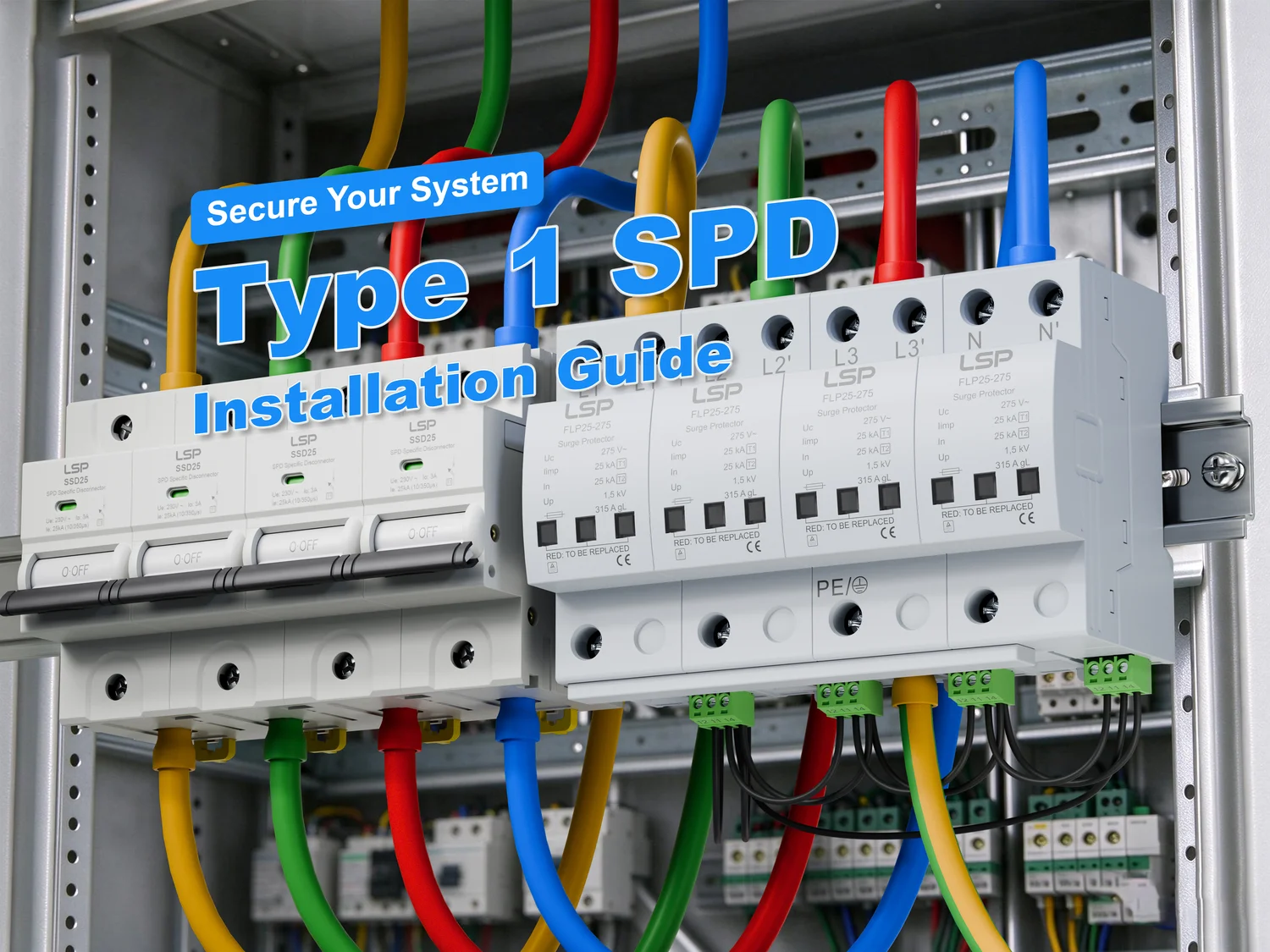
Look at the wiring diagram that comes with the surge protection device. The diagram shows how to hook up the device to the three-phase system. Electricians must connect each phase and neutral wire the right way. The diagram also shows how to ground the device.
Note: Always use the wiring diagram so you do not make mistakes when installing.
Integration with Panels
Put the ac spd 3 phase inside switchgear or distribution panels. Place it close to the main connection point. This helps the device react fast to surges and protects all three-phase equipment.
Mount the device tight in the panel
Connect all wires as shown in the diagram
Make sure the status window is easy to see
Safety Checks
After you install, do safety checks to make sure it works right. Look at all connections and check the grounding path. Check the status window to see if the device is on. Test the surge protection device using IEC rules.
Tip: Plan regular safety checks to keep protection strong and stop downtime.
Maintenance of Three-Phase Surge Protector
Taking care of a 3 phase surge protector helps it work well. Regular checks help stop problems and keep things running.
Inspection and Testing
Visual Inspection
Trained workers should look at the surge protection devices every month. They need to check the status window for warning colors. If they see a warning color, the device might not work right.Check Connections
All wires and terminals must be tight. Loose wires can stop the device from working or sending surge current to ground.Test Functionality
Use the test button if the device has one. Some models let you check if the inside parts still work.Record Results
Write down each inspection in a log. Record the date, what you found, and what you did. This helps track how the surge protection devices are doing.
Tip: Always follow IEC rules for inspection and testing. Regular checks help stop downtime and keep protection strong.
Replacement Guidelines
End-of-Life Indication
The status window shows when the device needs to be replaced. If the window turns red or another warning color, change the unit right away.After Major Surges
If lightning or a big switching event happens, check the device. Even if it looks fine, strong surges can wear out the inside parts.Scheduled Replacement
Some places set a plan to replace surge protection devices every few years. This helps avoid sudden failures and keeps protection working.Use the Right Model
Always use a replacement that matches the system voltage and surge current rating. The new device must meet IEC standards for safety and performance.
Troubleshooting Common Issues
Problems can happen even with good care. Quick troubleshooting helps stop downtime and keeps protection working.
Device Not Responding
Check Power Supply
Make sure the device gets power. If the status window stays off, the unit may not get electricity.Inspect Connections
Look for loose or broken wires. Tighten or change them if needed.Replace Device
If the device still does not work, replace it with a new one that meets IEC standards.
False Alarms
Review Installation
Wrong wiring can cause false alarms. Check the wiring diagram and make sure all connections are right.Check for Electrical Noise
High electrical noise in the panel can set off alarms. Use good grounding to help stop this problem.Consult an Expert
If false alarms keep happening, ask a trained technician to check the system.
Note: Fast troubleshooting helps stop long downtime and keeps the 3 phase surge protector ready for the next surge.
Regular checks, testing, and quick fixes help keep protection strong. These steps keep equipment safe and lower the risk of downtime in three-phase systems.
LSP Three-Phase Surge Protection Device Manufacturer
About LSP

LSP is a top company for surge protection devices. The company started more than twenty years ago. They focus on making electrical systems safer. LSP has modern factories that build products for many countries. Their team works hard to invent new ideas for three-phase systems. LSP has certifications that follow IEC standards. This means their products are safe and reliable. The company gives help and support after you buy their products. LSP’s main products are surge protection devices for factories, businesses, and big buildings.
LSP works to make better products all the time. Many engineers and building managers trust LSP because of this.
LSP 3 Phase Surge Protection Device Features
LSP makes surge protection devices with special features for three-phase systems. Each device uses strong parts like metal oxide varistors and gas discharge tubes. These parts stop high voltage and send extra current to the ground fast. Every LSP device has a status window so users can check if it works. The devices have thermal disconnectors to keep things safe if parts get too hot. LSP surge protection devices can handle big surges, so they work well in places with lots of lightning. The company follows IEC 61643 rules to make sure their products work everywhere.
Status window lets you check the device easily
Handles high surge currents
Thermal disconnectors add safety
Meets IEC standards
Representative LSP Three-Phase Products
LSP sells many surge protection devices for three-phase systems. Their products give different levels of protection and fit in different places.
Type 1 SPD Series
LSP’s Type 1 SPD series protects against lightning surges. These devices go at the main distribution board. They stop high voltage and send extra current to the ground. This keeps the whole system safe. Type 1 SPD units are strong and can handle big surges.
Product Series | Surge Current Rating (kA) | Application |
|---|---|---|
Type 1 SPD | 50-100 | Main distribution |
Type 2 SPD Series
Type 2 SPD devices from LSP protect against switching surges and indirect lightning. Electricians put these in sub-panels to keep equipment safe. Type 2 SPD units give steady protection for daily use.
Product Series | Surge Current Rating (kA) | Application |
|---|---|---|
Type 2 SPD | 20-40 | Sub-panels |
Combined SPD Solutions
LSP also makes combined SPD solutions. These devices have both Type 1 and Type 2 features in one unit. Combined SPDs give more protection and make setup and care easier.
Tip: Combined SPD solutions protect places with complicated electrical systems very well.
LSP’s products help every three-phase system get the right protection. Their surge protection devices keep factories and businesses safe and working.
Why Choose LSP for Three-Phase Surge Protection
LSP is a trusted company for surge protection devices. Many engineers and managers pick LSP for good reasons. Here are the main benefits:
International Compliance
LSP makes all surge protection devices to follow IEC 61643 standards. These rules are known everywhere. Users can trust each device for safety and quality.Advanced Technology
LSP uses strong parts like metal oxide varistors and gas discharge tubes. These work together to clamp overvoltage and send surge current to ground. This keeps equipment safe from lightning surge and switching events.Clear Status Window
Every LSP device has a status window. Users can see if the device works. If the window shows a warning color, it is time to change the device. This makes maintenance quick and easy.Wide Range of Products
LSP has many surge protection devices. Users can pick Type 1, Type 2, or combined SPD solutions. Each one fits well in switchgear or distribution panels.Easy Installation and Maintenance
LSP makes each device simple to set up. The wiring diagrams are clear and easy to use. The status window helps users check the device fast. This saves time and helps avoid mistakes.Strong Support and Service
LSP gives help to all customers. Their team answers questions about setup, testing, and replacement. This support helps users keep systems safe and working.
Tip: LSP surge protection devices work well in places with lots of lightning surge or switching events. The devices handle high surge currents and keep equipment safe.
Proven Reliability
Many factories, offices, and big buildings use LSP surge protection devices. These products work well in many places. Users trust LSP to keep electrical systems running.Focus on Safety
LSP adds thermal disconnectors to every device. These stop the device from getting too hot. This lowers fire risk and keeps people and equipment safe.
Picking LSP means you get international standards, advanced technology, and easy care. LSP gives users peace of mind and strong protection for three-phase systems.
Three-phase surge protection devices keep electrical systems safe from lightning surge and switching events. These devices help stop sudden high voltage from hurting equipment.
Picking the right device, installing it correctly, and checking it often keeps everything safe and working well. Regular care makes sure the system stays reliable.
Users need to look at the status window a lot. They should follow IEC rules for the best safety.
Experts say you should ask professionals for help or pick trusted companies like LSP. This gives the best protection.
Buying good surge protection stops equipment from breaking. It also helps avoid downtime and keeps important data safe in three-phase power networks.
FAQ
What is a three-phase surge protection device?
A three-phase surge protection device keeps electrical systems safe. It protects from lightning surge and switching events. The device clamps high voltage and sends extra current to the ground. This helps keep equipment safe.
How does the status window help users?
The status window tells if the device works. Green means the device protects your equipment. Red or another warning color means you need to replace it.
Where should electricians install a three-phase SPD?
Electricians put three-phase SPDs in switchgear or panels. They place it near the main connection point. This helps the device react quickly to surges.
What IEC standards apply to three-phase surge protection devices?
IEC 61643 gives rules for surge protection devices. Devices that follow this standard are safe and reliable for three-phase systems.
How often should users inspect a surge protection device?
Users should check the surge protection device every month. They look at the status window and check the wires. This makes sure the device works right.
What happens if a surge protection device reaches end-of-life?
If the status window shows a warning color, change the device. End-of-life means the device cannot protect from lightning surge or switching events.
Can a three-phase SPD protect sensitive equipment?
A three-phase SPD keeps sensitive equipment safe. It protects things like computers and control panels. The device clamps high voltage and sends extra current to the ground. This lowers the risk of damage.
Why is grounding important in surge protection?
Grounding gives surge current a safe path. It lowers fire risk and keeps equipment safe after lightning surge or switching events.