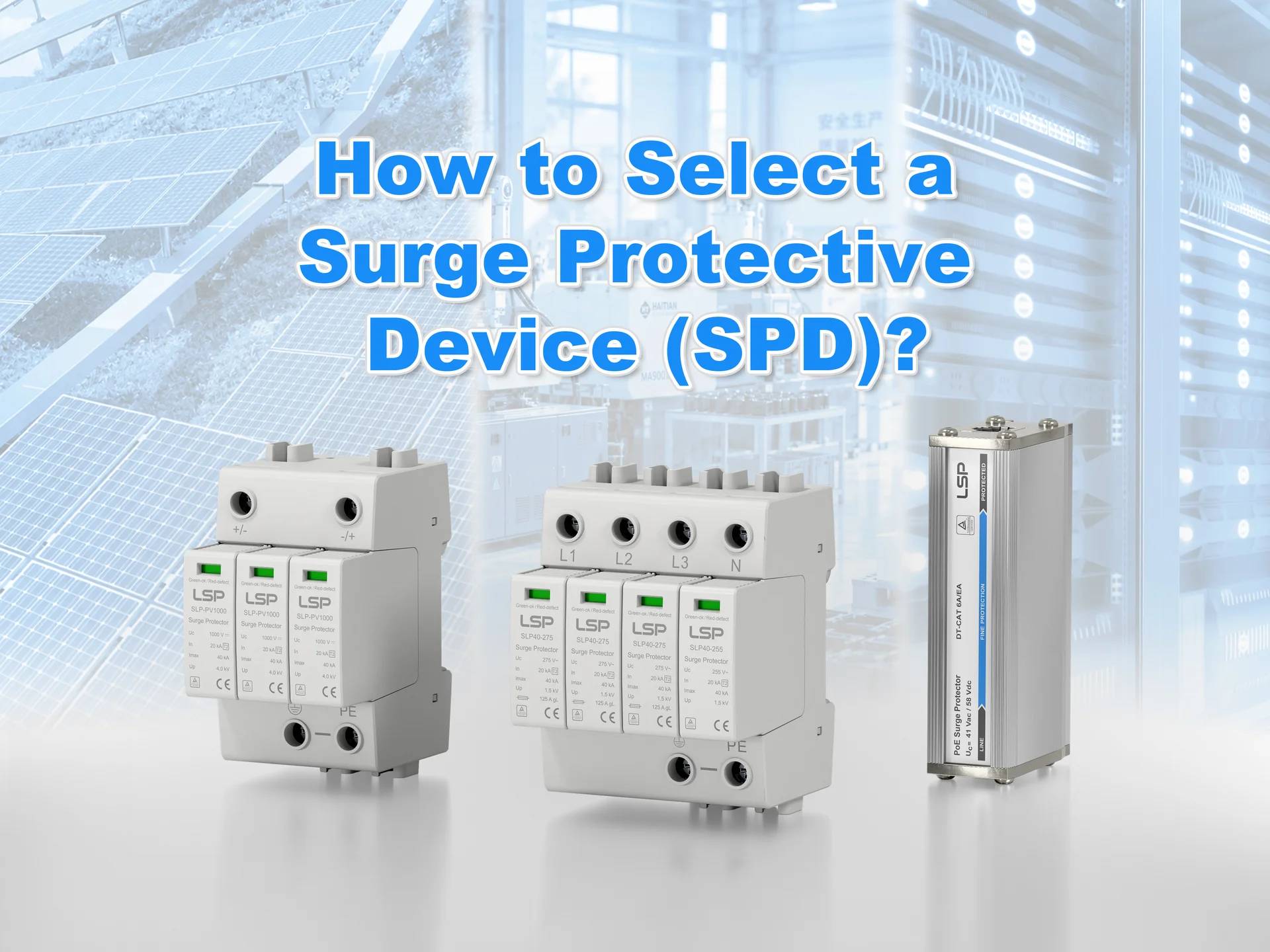
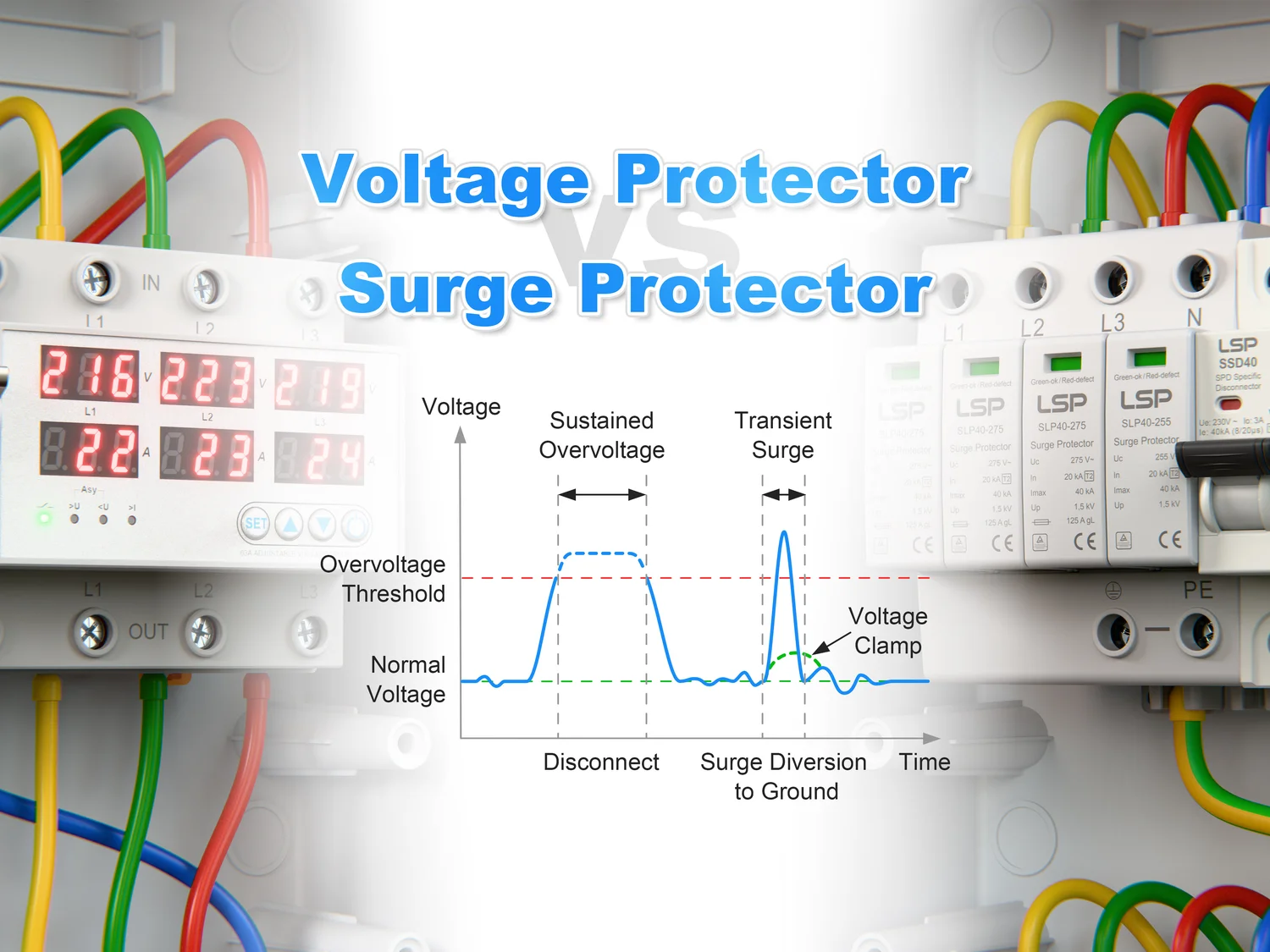
Outdoor network infrastructure is exposed to severe environmental and electrical hazards. When Ethernet cables run outside buildings to connect cameras, wireless access points, or remote switches, they become primary conduits for high-voltage surges caused by lightning strikes, static accumulation, and power switching transients. Installing an outdoor Ethernet surge protector is the single most effective engineering measure to safeguard sensitive electronics and maintain uninterrupted network availability.
What Is an Outdoor Ethernet Surge Protector?
An outdoor Ethernet surge protector is a specialized hardware protective device installed in series along copper Ethernet cables. It acts as a selective voltage barrier that allows low-voltage data and Power over Ethernet currents to pass freely during normal operation while instantly diverting high-voltage electrical surges away from connected equipment and safely into the earth ground.
What Does an Ethernet Surge Protector Do?
An Ethernet surge protector monitors the voltage levels across all differential data pairs and power lines within an RJ45 network cable. Under normal conditions, network data operates at low differential voltages ranging from negative two volts to positive two volts, while Power over Ethernet delivers forty-eight to fifty-seven volts DC. When a lightning strike or transient electrical fault induces thousands of volts onto the cable, the surge protector activates within nanoseconds. It clamps the transient voltage to a safe residual level and redirects the massive surge current down a dedicated heavy-gauge grounding conductor to the grounding electrode system.
Why Are Outdoor Ethernet Devices Vulnerable to Lightning and Surges?
Direct Lightning Strikes
A direct lightning strike to an outdoor camera pole, antenna tower, or building perimeter delivers immense electrical energy, often exceeding twenty thousand to one hundred thousand amperes of impulse current. While no localized signal surge protective device can survive a direct strike to an ungrounded mast, proper structural lightning protection combined with primary Ethernet surge protectors ensures that extreme impulse energy is safely routed into the grounding grid rather than entering the facility network closet.
Induced Lightning Surges
Induced surges represent the vast majority of lightning-related network equipment failures. When lightning strikes the ground or a nearby structure several hundred feet away, the rapid collapse of the electromagnetic field induces transient voltages into parallel copper network lines. These induced surges produce fast-rising voltage spikes across the twisted pairs, creating severe common-mode and differential-mode stress that fries unshielded physical layer chips.
Voltage Spikes and Electrical Transients
Electrical transients are frequently generated by industrial operations, heavy motor switching, power grid switching, and electrostatic discharge. When large inductive loads like industrial HVAC units, pumps, or elevators cycle on and off near outdoor cable pathways, they induce sharp voltage spikes onto adjacent network cabling. Over time, recurring micro-transients degrade semiconductor junctions, leading to intermittent packet loss, premature equipment failure, and unexplained port lockups.
PoE Overvoltage and Power Surges
Power over Ethernet delivers continuous DC power over the same twisted pairs used for Ethernet data. Faults in the central PoE switch power supply, ground potential differences between outdoor poles and indoor switch rooms, or short circuits caused by moisture ingress can cause severe overvoltage conditions on the PoE power conductors. Without dedicated PoE-rated protection, power surges travel down the cable and destroy both the powered device and the power sourcing equipment.
How Does an Outdoor Ethernet Surge Protector Work?
Surge Diversion and Voltage Clamping
Surge protection operates in two main modes: energy diversion and voltage clamping. Energy diversion routes the bulk of the high-current impulse away from the data lines directly to earth ground. Voltage clamping restricts the residual voltage passing through to downstream electronics to a safe, controlled threshold. High-performance Ethernet surge protectors utilize a two-stage hybrid architecture where the primary stage diverts the high-energy surge current and the secondary stage clamps residual fast voltage transients.
Line-to-Line Protection
Line-to-line protection, also known as differential mode protection, guards against overvoltages that occur between individual conductors within the same twisted pair. Differential surges typically damage sensitive Ethernet physical layer transceivers by exceeding the maximum voltage tolerance between data positive and data negative lines. Line-to-line protective circuits clamp pair-to-pair voltages to low levels, typically under fifteen to twenty volts, preserving physical transceiver integrity.
Line-to-Ground Protection
Line-to-ground protection, also known as common mode protection, guards against overvoltages that occur between all network conductors and the local earth ground. Common mode surges represent the most destructive form of lightning-induced energy, attempting to flash over from the cable conductors through device circuit boards to the grounded metal chassis. Line-to-ground protection channels this common-mode energy safely to the earth grounding terminal before it can arc through internal components.
The Role of GDT and TVS Protection Components
The combination of Gas Discharge Tubes (GDT) and Transient Voltage Suppressors (TVS) creates an optimal balance between energy handling capacity and ultra-fast reaction time.
Protection Component | Primary Function | Response Time | Energy Handling Capacity | Parasitic Capacitance |
|---|---|---|---|---|
Gas Discharge Tube (GDT) | Bulk surge current diversion to earth ground | 100 to 500 nanoseconds | Extremely high (10kA to 20kA 8/20µs) | Very low (<1pF) |
Transient Voltage Suppressor (TVS) | Fast precision voltage clamping | Less than 1 picosecond | Moderate (hundreds of watts) | Low to moderate (1pF to 5pF) |
Hybrid GDT + TVS Network | Multi-stage energy absorption and precision clamping | Sub-nanosecond effective clamping | High capacity with precision clamping | Optimized for Gigabit signals |
As detailed in the table above, the GDT acts as the primary heavy-duty crowbar component. When a high-voltage surge arrives, the gas inside the sealed tube ionizes, changing from an insulating state to a low-resistance arc that diverts thousands of amperes to ground. Meanwhile, the TVS diode array acts as a fast secondary clamp, reacting in sub-nanosecond time to limit the initial voltage spike before the GDT fully ionizes.
What Outdoor Network Equipment Needs Surge Protection?
Any network device installed outdoors or connected via an exterior copper cable run is highly susceptible to transient overvoltage damage and requires dedicated surge protection.
Outdoor PoE Security Cameras
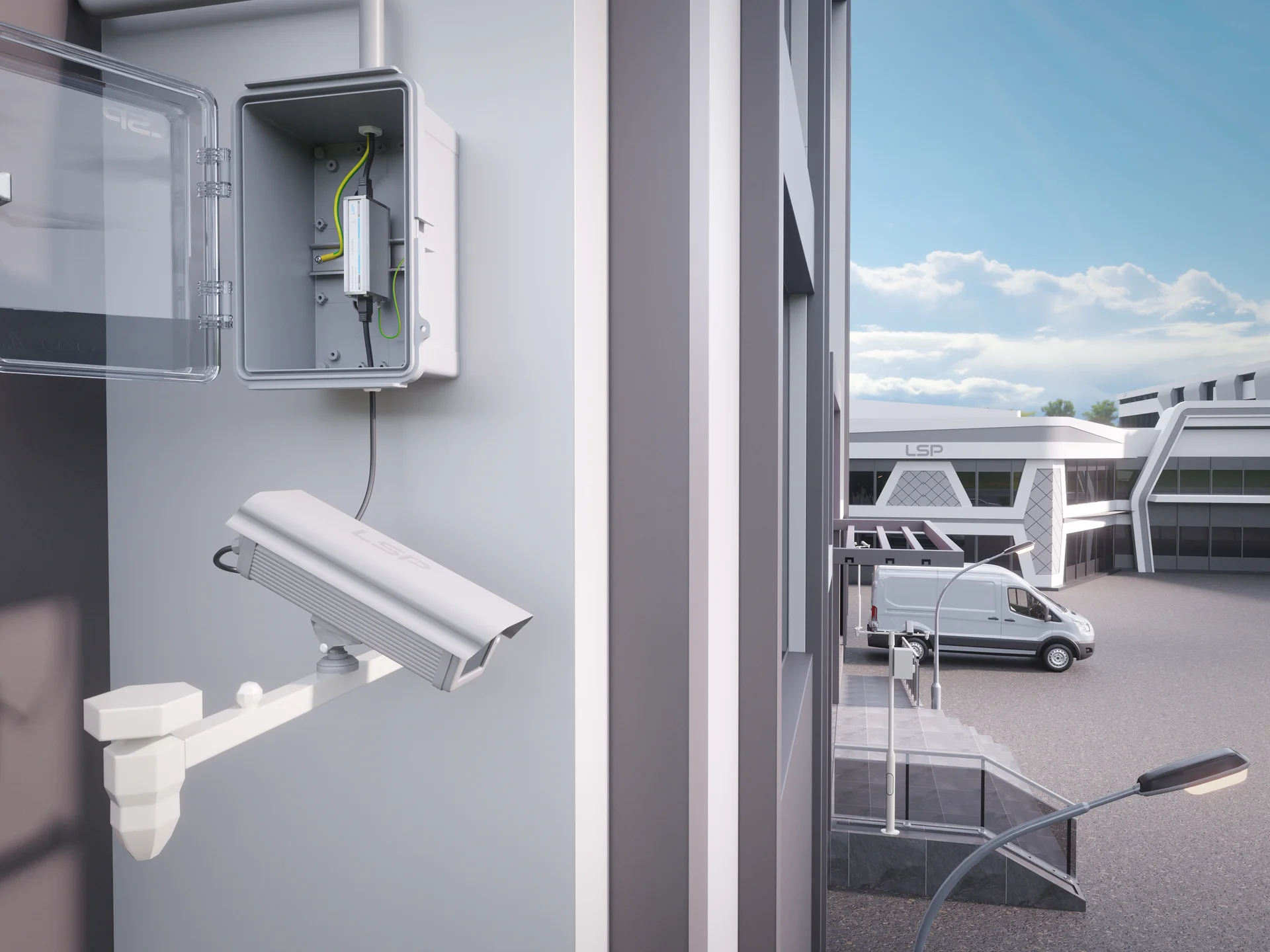
Pan-Tilt-Zoom dome cameras, bullet IP cameras, and license plate recognition systems mounted on exterior building walls, light poles, or perimeter fences represent the most common point of surge entry. Elevated camera mountings act as prime targets for lightning induction. A surge protector installed directly adjacent to the camera enclosure prevents incoming cable surges from destroying internal camera sensors and encoder logic.
Wireless Access Points
Outdoor Wi-Fi access points deployed in parks, parking lots, outdoor venues, and industrial yards are elevated on poles or rooftops where electromagnetic exposure is highest. Because these units provide critical connectivity for operational personnel and customers, a transient failure causes widespread service disruption. Protecting the Ethernet backhaul link ensures continuous operation during electrical storms.
Outdoor Wi-Fi Bridges
Point-to-point and point-to-multipoint wireless bridges connect remote buildings, security gates, and field stations. These radios rely on long vertical copper cable runs down mounting towers. Protecting both the antenna-side radio unit and the indoor network entry point ensures that induced surges on the tower cabling do not destroy the radio electronics or propagate into main building networks.
Ethernet Switches
Unmanaged and managed Ethernet switches located in outdoor traffic cabinets, industrial enclosures, or utility huts aggregate multiple field devices. A surge entering a single unprotected port can destroy the entire switch backplane and jump to all other connected devices. Installing port protection on all incoming outdoor lines isolates field transients and protects core switching hardware.
IP Intercoms and VoIP Devices
Emergency help points, gate intercoms, and exterior door access controllers are positioned at perimeter access points. These units combine audio, video, and door strike relay control over Ethernet lines. Installing surge protection safeguards entry control servers and prevents transient voltages from shorting door release mechanisms.
Industrial Ethernet Equipment
Industrial automation networks rely on outdoor sensors, Programmable Logic Controllers (PLCs), remote terminal units, and SCADA gateways. Industrial environments feature harsh noise conditions and frequent electrical switching transients. Surge protective devices designed to industrial standards prevent costly manufacturing halts and equipment destruction.
Outdoor Ethernet Surge Protector FAQs
Can an Ethernet Surge Protector Protect PoE Devices?
Yes, an Ethernet surge protector specifically engineered for Power over Ethernet applications safely passes high DC operating voltages and currents alongside high-speed data signals. Advanced surge protection devices incorporate specialized clamping circuits that isolate data differential pairs while absorbing transient overvoltages on power conductors.
Where Should an Outdoor Ethernet Surge Protector Be Installed?
An outdoor Ethernet surge protector should be installed at two primary locations: near the outdoor network device and at the cable entry point where the line enters the building structure. Positioning the protector within three feet of exterior hardware protects sensitive camera or access point electronics.
Should Ethernet Surge Protectors Be Installed at Both Ends?
Installing surge protectors at both ends of an outdoor copper Ethernet cable is a critical engineering best practice. Electrical surges caused by nearby lightning strikes or power transients can originate at any point along an exterior cable run and travel in both directions simultaneously. Protecting only one end leaves the hardware at the opposite end completely exposed to destructive overvoltages, risking expensive outdoor camera failures or burnt corporate network switch ports and central storage devices.
What IP Rating Is Suitable for Outdoor Ethernet Surge Protection?
An IP66 or IP67 enclosure rating is ideal for outdoor Ethernet surge protectors installed in harsh exterior environments. An IP65 rating provides complete protection against dust ingress and low-pressure water jets, making it suitable for sheltered outdoor locations. An IP67 rating ensures total protection against heavy rainfall, airborne dust, blowing snow, and temporary water immersion, guaranteeing long-term mechanical reliability, weather resistance, and continuous electrical surge protection for exposed network infrastructure and exterior equipment mounting poles.
Does an Ethernet Surge Protector Reduce Network Speed?
A high-quality, properly rated Ethernet surge protector does not reduce network speed or increase signal latency when correctly matched to cable category specifications. Modern surge protective devices utilize low-capacitance silicon transient voltage suppressor diodes and gas discharge tubes designed to maintain full signal integrity up to ten gigabits per second without packet loss.
Conclusion: Protect Your Outdoor Network with an Ethernet Surge Protector
Outdoor Ethernet networks provide vital connectivity for modern security, communications, and industrial automation infrastructure. However, extending copper cabling outside building envelopes creates significant exposure to lightning-induced surges and electrical transients. Leaving outdoor cameras, wireless access points, and network switches unprotected invites catastrophic hardware failure and expensive network downtime.
LSP provides reliable Ethernet and PoE surge protection solutions designed for outdoor network applications. With protection options for Ethernet, PoE, and other data communication systems, LSP helps reduce the impact of lightning-related surges and transient overvoltages on critical network equipment, supporting more stable and reliable outdoor connectivity.