LSP specializes in manufacturing high-standard direct current miniature circuit breakers (DC MCBs) for photovoltaic and industrial applications, along with a comprehensive range of circuit protection devices. Because we see the same standard compromises on the production line, we watch the same shortlists you do with an exceptionally critical eye. Every “manufacturers” list has the same uncomfortable truth: finding names is easy. Knowing which names to trust is the actual job.
This guide maps the global MCB landscape by buyer profile. Then it shows you how to verify manufacturers the way a sourcing engineer would, not the way a brochure reads.

The Global MCB Manufacturer Landscape in 2026
An MCB protects a circuit two ways. A thermal element responds to sustained overloads. A magnetic coil trips in milliseconds on short-circuit currents. Three variables define every model you will evaluate: current rating (6A-63A), breaking capacity (6kA residential, 10kA commercial and industrial), and trip curve. B curves suit resistive loads, C curves general circuits, D curves motors and transformers.
The manufacturer landscape sorts into three recognizable tiers:
Tier tables never tell you this: counterfeit breakers now carry forged certification labels. As early as 2021, electricians on Mike Holt’s forum documented fakes marked with forged NRTL labels. Inside: “no coil, no bi-metal, no arc quench” (Mike Holt Forums, 2021). That same year, an engineer teardown of an “un-trippable” fake breaker circulated through the EEVblog community (EEVblog Forum, 2021). The name on the shortlist matters less than your ability to verify what stands behind it. That is exactly what the verification section below is for.
MCB Manufacturers by Buyer Profile
Different buyers hire a manufacturers list for different jobs. Contractors need names that survive spec review. Distributors need margins and channel support. Wholesalers need price bands and consistent supply. Each profile gets its own shortlist below, plus the weaknesses to watch for in each segment.
For project contractors and panel builders, the spec-grade tier is where spec sheets lead and price comes second:
Schneider Electric
FranceABB
SwitzerlandSiemens
GermanyEaton
Ireland / USAFor Distributors: Manufacturers With Real Margin and Channel Support
Distributors live with a squeeze: flagship-brand lines carry prestige but thin, transparent margins, while budget lines can erode trust with every callback. The mid-tier manufacturers below are built for the middle, with strong installer recognition, regional channel presence, and pricing that leaves room for the distributor.
Legrand
FranceHager
GermanyMitsubishi Electric
JapanOne more pattern matters: distributors looking for high margins are pivoting. In the traditional AC breaker market, flagship brands leave thin, transparent margins. The real growth engine lies in solar photovoltaic (PV), battery energy storage systems (BESS), and EV charging markets that demand true DC MCBs. Many traditional suppliers simply re-case AC breakers, but source factories mastering true non-polarized DC arc-extinguishing technology are the secret weapon for distributors to build moats and high profits. The same logic extends to private-label OEM programs for distributors building their own line.
For Wholesalers: Volume-Ready Manufacturers at Value Tiers
Wholesalers buy on price band and supply consistency, plus one discipline: rejecting the cheapest quote when it is cheap for a reason. The value tier below is where most global volume actually moves. It is also the segment where the counterfeit problem from the opening section lives.
LS Electric
South KoreaShihlin Electric
TaiwanHavells
IndiaA final variable wholesalers rarely negotiate but always pay for: post-sale friction. The industry-standard warranty for protection devices is two years. The better factories offer five, and answer cross-border claims within 12 hours. Standard products that ship in 10-15 days with no minimum order quantity change a wholesaler’s cash-flow math without changing the unit price. That profile is common in Wenzhou’s better surge-protection factories. When you compare value-tier quotes, these terms are part of the price.
How to Verify an MCB Manufacturer Before You Buy
The uncomfortable upgrade from everything above: fake breakers no longer look fake. The counterfeit units documented by professional electricians carried forged NRTL certification labels (Mike Holt Forums, 2021). Verifying the product by eye no longer works. Verifying the manufacturer still does. Two checks separate verifiable suppliers from everyone else.

Check the Certificates Then Check Them Again
- Ask for certificate numbers, not certificate images. UL file numbers (E-prefix), IECEE CB test certificates, and TUV certificates all carry searchable IDs.
- Run the number through the issuing body’s online database. The IECEE CB certificate database and national certification portals let you confirm coverage without relying on the supplier’s PDF (IECEE, 2026).
- Match the certified model and ratings to the exact SKU you are buying. A certificate covering a different series proves nothing for your order.
Look Inside: The Materials That Separate Real Quality From Cost-Cutting
| Component | Proper Practice | Cost-Cutting Practice | Failure Mode |
|---|---|---|---|
| Contacts | Silver-alloy (AgC/AgW) | Copper-iron mixtures | Contacts weld shut, breaker fails to trip |
| Arc chute | 9-13 plates with engineered geometry | Fewer plates, simple design | Arc escapes and melts the casing |
| Housing | Flame-retardant PA66 nylon | Recycled low-grade plastic | Catches fire during overload |
| Bimetal strip | Precision-calibrated | Thin uncalibrated strip | Nuisance tripping or failure to trip |
The nastiest practice is not visible in that table: factories that pass certification with proper materials, then switch components in mass production. Buyers discover the switch months later, on a container that “looks the same” as the approved samples. The countermeasure is consistency you can verify. Some suppliers commit to using the same core components in production as in their certification samples, and will put that commitment into the order. That costs a few minutes of due diligence and removes the single most common failure mode in cross-border electrical sourcing.
The Pre-Order Checklist for Sourcing MCBs
| Check | Key Parameters | Common Trap |
|---|---|---|
| Current rating vs. wire size | 1.5mm² for 6-10A, 2.5mm² for 16-20A, 4-6mm² for 32A, 10-16mm² for 63A | Oversized breaker protects nothing |
| Breaking capacity | 6kA residential, 10kA commercial and industrial | 6kA in a plant panel |
| Trip curve | B 3-5× In resistive, C 5-10× In general, D 10-20× In motors | Wrong curve means nuisance trips |
| Poles | 1P branch circuits, 2P single-phase mains, 3P+N three-phase | Pole count mismatched to system |
| Certification and warranty terms | Verifiable certificate number plus warranty in writing | Accepting the 2-year industry standard silently |
Two terms in that last row deserve hard numbers. The standard warranty in this category is two years. A five-year warranty with a 7-day return and 30-day exchange window shifts the risk arithmetic in your favor. Add free samples on freight-collect terms and a 12-hour response commitment. A value-tier quote can then beat a premium-tier one on total cost of ownership, even at a higher unit price. Keep a retained sample from every batch as your reference point for future deliveries.
The Growing Gap: Standard AC Breakers vs. True DC MCBs
As solar and battery storage deployments scale, buyers face a dangerous blind spot: substituting standard AC breakers into DC circuits. Direct current lacks a “zero-crossing” point, meaning an electrical arc sustained during a fault is exceptionally difficult to extinguish. Using a cheap or improperly rated breaker in a PV array or BESS panel often leads to catastrophic fires.
| Dimension | Standard AC MCB | True DC MCB (LSP) |
|---|---|---|
| Current Flow | Alternating (has zero-crossing) | Continuous (no zero-crossing) |
| Arc Extinguishing | Standard arc chute | Enhanced magnetic blow-out & specialized DC arc chute |
| Typical Voltage | 230V / 400V AC | Up to 1000V / 1500V DC |
| Application Focus | Residential & Commercial Mains | Solar PV, BESS, EV Charging Networks |
This is where true DC-rated protection becomes non-negotiable. LSP’s DC MCBs are engineered specifically for high-voltage direct current applications. Featuring dedicated DC arc-extinguishing chambers and non-polarized wiring options, they safely interrupt fault currents up to 1000V/1500V. They don’t just pass the spec sheet review; they survive the real-world thermal realities of solar arrays and battery racks.
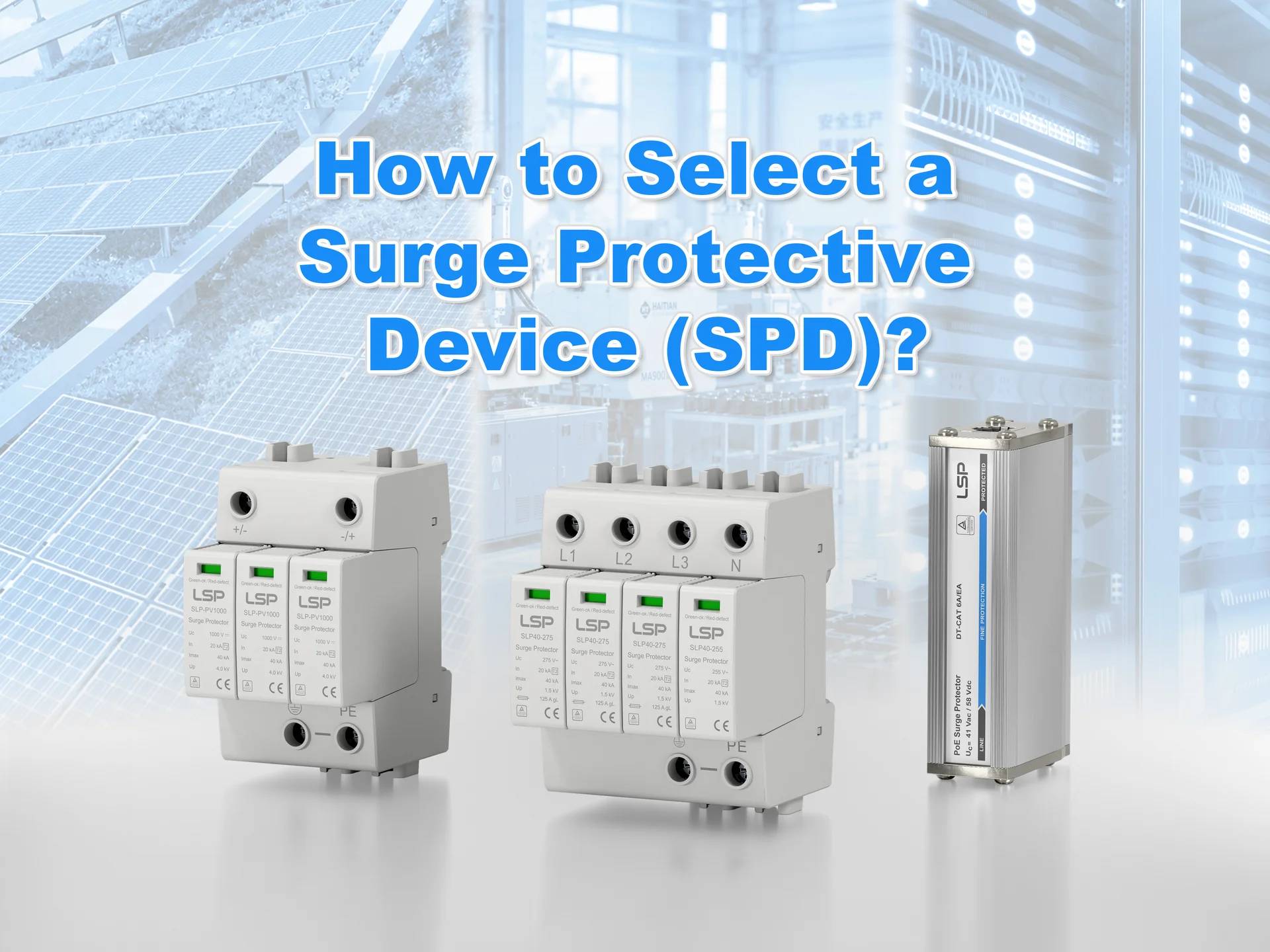
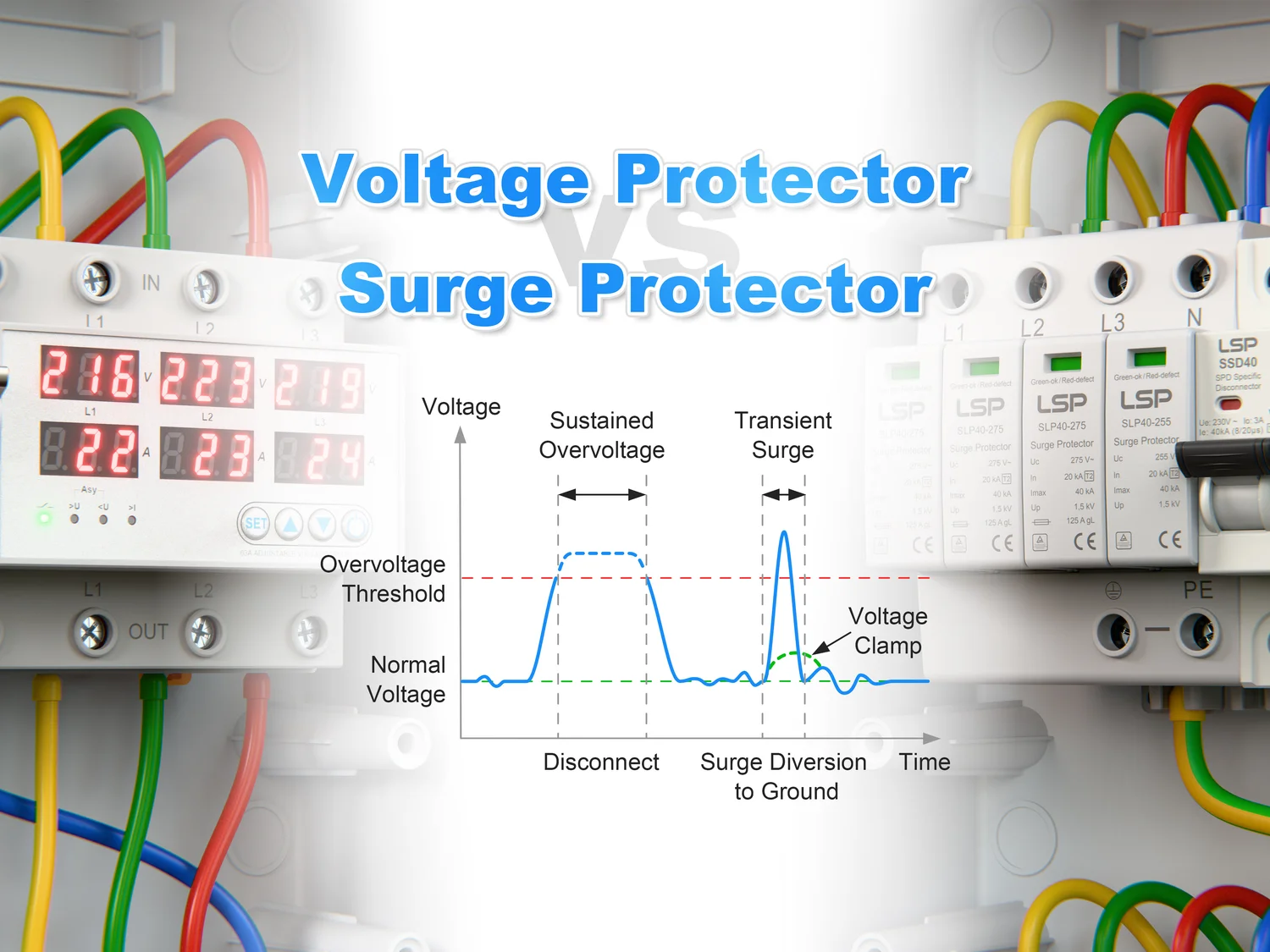
Of course, a complete protection strategy doesn’t stop at overcurrent. The same DC combiner box that requires top-tier DC MCBs also faces severe risks from lightning strikes and switching surges. That is why LSP pairs our DC breakers with matched Surge Protective Devices (SPDs) using the same high-specification components. Sourcing both from a single factory ensures your protection chain has no weak links.
References
- Mike Holt Forums. “Today’s FPE Fake Circuit Breakers.” 2021. https://forums.mikeholt.com/threads/todays-fpe-fake-circuit-breakers.2558777/
- EEVblog Forum. “(BigClive) Inside a Fake Un-trippable Circuit Breaker.” 2021. https://www.eevblog.com/forum/dodgy-technology/(bigclive)-inside-a-fake-un-trippable-circuit-breaker/
- IECEE. “CB Scheme Online Certificate Database.” 2026. https://www.iecee.org/
- IEC Webstore. “IEC 60898-1 / IEC 61643-11 Publications.” 2026. https://webstore.iec.ch/
- Quora. “Which Company Are the Best Circuit Breakers and Contactors in India?” https://www.quora.com/Which-company-are-the-best-circuit-breakers-and-contactors-in-India