How to Size Solar Combiner Box: Key Steps
Count PV Strings for Your Combiner Box
The first step in sizing a Solar Combiner Box is to count how many PV strings are in your system. A string is a series of solar panels connected in sequence. The combiner box collects power from each string and sends it to the inverter for safe and organized operation.
Count all strings that will connect to the combiner box.
Include any future strings if you plan to expand your system later.
The number of strings determines how many input circuits the combiner box must support.
Tip: Double-check your string count before proceeding. Missing a string can lead to costly modifications later.
Determine Voltage and Current Ratings
After you count the strings, look at the voltage and current for each string. These numbers help you pick a combiner box that can handle the electricity safely.
String Voltage (Voc): Find the open-circuit voltage (Voc) for your solar modules. Multiply the Voc of one module by the number of modules in a string.
String Current (Isc): Find the short-circuit current (Isc) for your solar modules. The current for each string is usually the same as the Isc of one module.
Module Voc Considerations
TWhen sizing a solar combiner box, it is important to consider the open-circuit voltage (Voc) of each module. Voc can increase in cold weather, potentially exceeding the voltage rating of your combiner box or protection devices.
Identify the lowest ambient temperature expected at your installation site.
Calculate the maximum Voc for each string at this temperature.
Ensure the combiner box, fuses, and surge protection devices can safely handle this voltage.
Note: Always use the highest possible Voc in your calculations. This ensures the system remains safe and compliant with IEC standards.
Selecting Overcurrent Protection for Your Solar Combiner Box
Proper overcurrent protection is critical for the safety and reliability of your PV system. Each string connected to a solar combiner box must have a fuse or circuit breaker to prevent faults and damage.
Ensure protection devices are rated for the highest expected string current (Isc) and maximum system voltage (Voc).
Follow IEC 60947-2 for circuit breakers and IEC 61730 for PV system protection.
Overcurrent devices must safely handle the maximum current, including increases caused by temperature or irradiance.
Fuse and Breaker Sizing Guidelines (1.56 × Isc)
IEC standards recommend sizing fuses or breakers at 1.56 times the string’s short-circuit current (Isc). This accounts for environmental and operational variations.
Example Table:
String Isc (A) | Recommended Fuse/Breaker (A) |
|---|---|
9 | 14 |
10 | 16 |
12 | 20 |
Calculation Formula:
Fuse/Breaker Size = 1.56 × Isc (round up to the next standard rating).
Important Tip: Always select a device with a rating above your calculated value. Using a lower-rated fuse or breaker can cause nuisance trips and compromise system safety.
Plan for Future System Growth
When sizing a solar combiner box, it is essential to plan for future expansion. Many solar installations start small and add more PV strings later. Choosing a combiner box with extra capacity saves time, money, and prevents system disruptions.
Key considerations for future-proofing your system:
Select a combiner box with additional input circuits. For example, if your system currently has six strings, choose a box that can handle eight or ten.
Leave space for extra fuses or breakers inside the box for easy upgrades.
Ensure the voltage and current ratings of the combiner box accommodate the expanded system.
Use cable entry points that allow additional wiring in the future.
Verify that the enclosure size can fit more wires and protection devices.
Tip: Planning ahead minimizes costly modifications later and maintains a safe, organized, and scalable PV system.
Example Table – Current vs. Future System Planning:
Current Strings | Future Strings | Recommended Box Inputs |
|---|---|---|
4 | 6 | 8 |
8 | 12 | 16 |
10 | 14 | 16 |
Summary: Future-proof planning ensures smooth system expansion and reliable operation as your PV installation grows.
Electrical Calculations and Rating Considerations

Sizing a solar combiner box is more than counting PV strings. You need to do electrical calculations to keep things safe and efficient. These steps also help you follow IEC rules. This part shows how to figure out string current, think about temperature and sunlight, and pick the right ratings for PV modules.
Calculating String Current for PV Combiner Boxes
A solar combiner box must handle current from each PV string. The short-circuit current (Isc) is where you start. To get the total current, multiply Isc by the number of strings.
Formula:
Total String Current (A) = Isc (A) × Number of Strings
If each string has an Isc of 10 A and there are 8 strings:
Total String Current = 10 A × 8 = 80 A
Tip: Always use the Isc from the module’s datasheet. This makes sure the solar combiner box can handle the highest current.
A table helps you see different examples:
Number of Strings | Module Isc (A) | Total Current (A) |
|---|---|---|
4 | 9 | 36 |
6 | 10 | 60 |
8 | 12 | 96 |
Each input in the solar combiner box needs its own fuse or breaker. The main output must handle all the string currents added together.
Accounting for Temperature and Irradiance Effects
Temperature and sunlight change how much current and voltage a PV module makes. Cold weather makes voltage go up. Strong sunlight makes current go up. IEC rules say you must think about these changes when sizing a solar combiner box.
Temperature: Lower temperatures make the open-circuit voltage (Voc) higher. Always figure out the highest Voc at the coldest site temperature.
Irradiance: More sunlight means more current. Use the highest sunlight level to find the biggest Isc.
Example Calculation: If a module’s Voc is 40 V at 25°C, and the temperature coefficient is -0.3%/°C, at -10°C:
Voc at -10°C = 40 V + [40 V × 0.003 × (25 - (-10))]
Voc at -10°C = 40 V + [40 V × 0.003 × 35]
Voc at -10°C = 40 V + 4.2 V = 44.2 V
Note: Always use the highest Voc and Isc in your math. This keeps the solar combiner box safe in tough weather.
Determining Electrical Ratings for Different PV Modules
Not all PV modules are the same. Each type has its own voltage and current ratings, and the solar combiner box must accommodate the highest numbers for every string to ensure safe and reliable operation.
Checklist for Electrical Ratings:
Check the maximum system voltage (e.g., 600 V, 1000 V, 1500 V DC).
Identify the maximum current per string (Isc).
Ensure the main busbar and output breaker can handle all string currents.
Select fuses and breakers rated for the highest voltage and current.
Confirm all components comply with IEC safety standards.
Example Table – Ratings for Different PV Modules:
Module Type | Max System Voltage (V) | Isc (A) | Strings in Combiner | Required Box Voltage (V) | Required Box Current (A) |
|---|---|---|---|---|---|
Mono | 1000 | 9 | 8 | 1000 | 72 |
Poly | 1500 | 10 | 12 | 1500 | 120 |
Thin-Film | 600 | 7 | 6 | 600 | 42 |
Callout: Always round up to the next standard rating for fuses, breakers, and busbars. This ensures the combiner box can handle unexpected surges or environmental changes.
Key Steps Summary – Electrical Calculations:
Step | What to Calculate | Why It Matters |
|---|---|---|
String Current | Isc × Number of Strings | Sizes main output and busbar |
Maximum Voltage (Voc) | Adjust for the lowest temperature | Prevents overvoltage damage |
Overcurrent Protection | 1.56 × Isc (IEC guideline) | Prevents overheating and fire risk |
Total Output Current | Sum of all string currents | Sizes output breaker/fuse |
Following these steps ensures your solar combiner box is safe, reliable, and compliant with IEC standards, ready for practical PV system operation.
Safety Standards and Protection
IEC Safety Standards for Solar Combiner Boxes
Every solar combiner box must follow strict safety rules. The International Electrotechnical Commission (IEC) makes these rules for solar gear. IEC 61439 and IEC 60364 are two main standards for solar combiner box safety. These rules cover things like electrical safety, insulation, and stopping electric shock.
IEC 61439 tells how to build and test low-voltage switchgear. It checks if the solar combiner box can handle its voltage and current.
IEC 60364 gives rules for electrical setups, including PV systems. It covers wiring, grounding, and protection devices.
Tip: Always look for labels or papers that show IEC approval on the solar combiner box. This keeps people and equipment safe.
Safety Margins and Design Factors
When sizing a solar combiner box, engineers always include safety margins to ensure reliable operation. Components are not sized just for normal conditions—they must handle unexpected events, environmental changes, and occasional overcurrent.
Key Design Considerations:
Fuses and Breakers: Size at least 1.56 × string short-circuit current (Isc), following IEC guidelines.
Busbars and Terminals: Must support more than the total output current, typically with 25% extra capacity.
Enclosure Protection: Select boxes with a high IP rating (IP65 or IP66) to prevent dust and water ingress.
Example Table – Safety Margins for Common Components:
Component | IEC Minimum Requirement | Recommended Safety Margin |
|---|---|---|
Fuse/Breaker | 1.56 × Isc | Next standard size above |
Busbar | Total output current | +25% extra capacity |
Enclosure | IP54 | IP65 or higher |
Summary: Applying safety margins ensures the solar combiner box remains durable, reliable, and compliant with IEC standards, even under extreme conditions or system changes.
Integrating Surge Protection Devices (SPD) in Solar Combiner Boxes
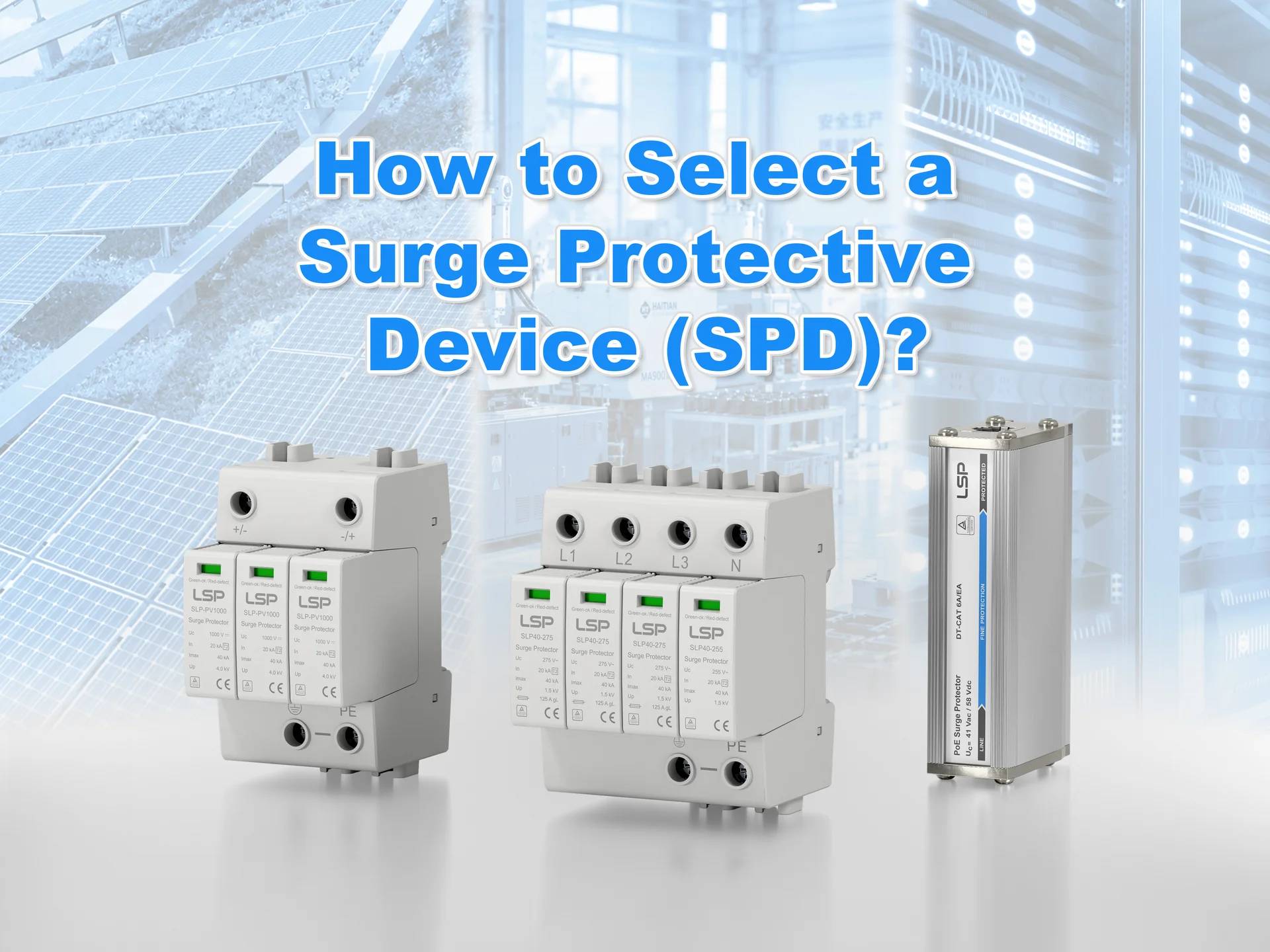
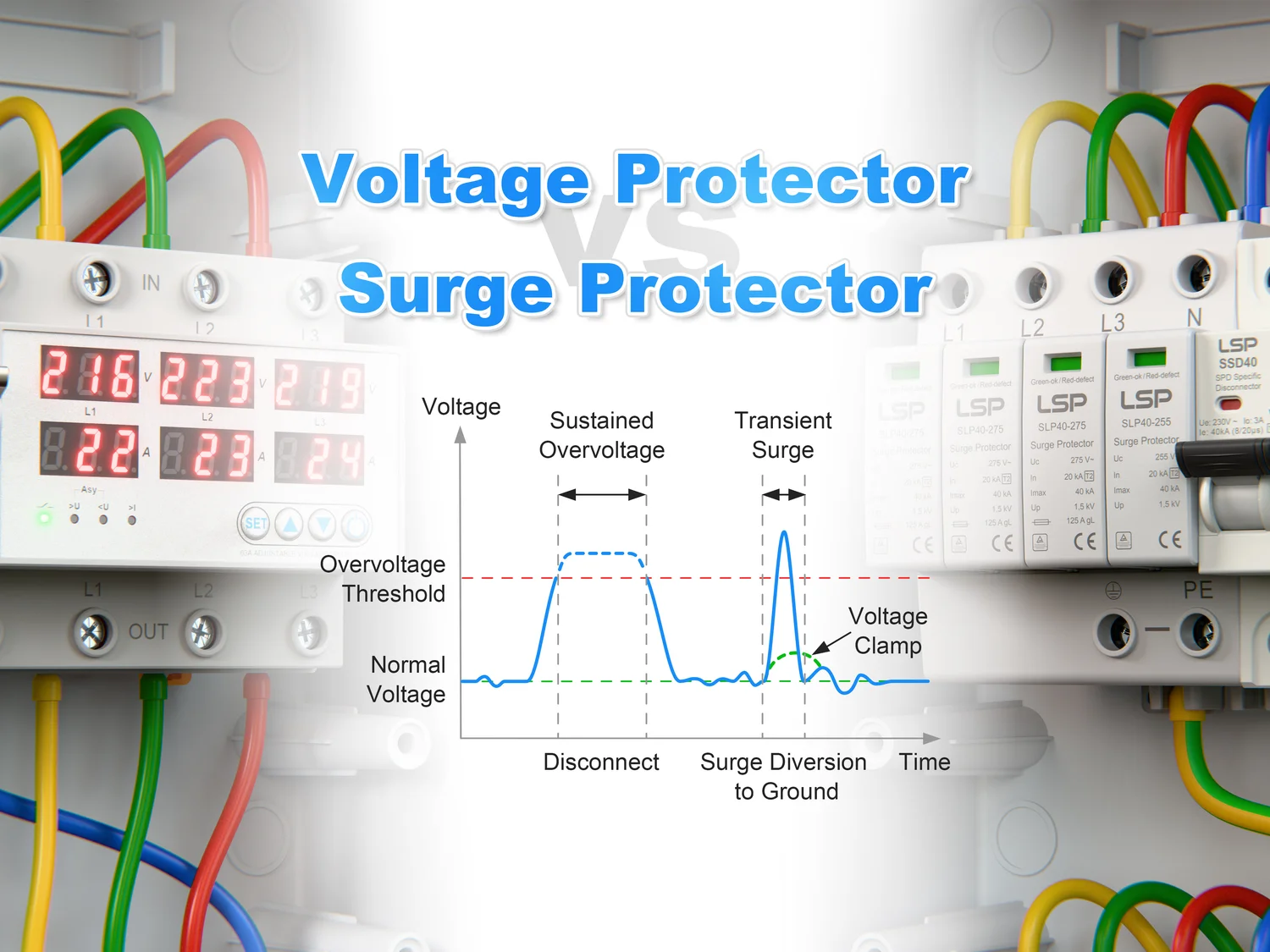
Lightning-induced surges and switching events can generate high voltages in PV systems. A solar combiner box should include Surge Protection Devices (SPD) to safeguard the system. SPDs clamp overvoltage and divert surge current to ground, protecting inverters, modules, and other connected equipment.
Key Guidelines for SPD Integration:
Select SPDs that comply with IEC 61643-31 for DC applications.
Ensure the SPD’s maximum operating voltage (Uc) exceeds the PV system’s maximum voltage.
Install SPDs close to the input terminals inside the combiner box for effective protection.
SPD Selection Table for PV Systems:
Parameter | Typical Value for PV SPD | Why It Matters |
|---|---|---|
Maximum Operating Voltage | 600 V, 1000 V, or 1500 V DC | Must match or exceed system voltage |
Nominal Discharge Current | 20 kA (8/20 µs) | Handles lightning and induced surges |
Summary: Installing SPDs in the solar combiner box ensures the PV system continues to operate safely during lightning-induced or switching surges, protecting both equipment and personnel.
Environmental and Installation Factors for Solar Combiner Boxes
Proper environmental consideration and installation planning are crucial for solar combiner box reliability. Temperature, weather, and space all affect performance and safety.
Temperature, Derating, and Environmental Effects
Temperature changes influence the performance of wiring, fuses, breakers, and other components:
High temperatures reduce current-carrying capacity, called derating.
Low temperatures increase solar panel open-circuit voltage (Voc), potentially exceeding box limits.
Dust, rain, and UV exposure can degrade materials if the enclosure is not robust.
Tips: Check the hottest and coldest temperatures at your site and use these values for selecting components.
Temperature Derating Table:
Temperature (°C) | Derating Factor | Action |
|---|---|---|
25 | 1.00 | Use normal rating |
40 | 0.91 | Reduce current rating accordingly |
50 | 0.82 | Further reduce current rating |
Enclosure Ratings (IP/NEMA)
The enclosure protects the solar combiner box from water, dust, and sunlight. Ratings indicate durability:
IP65/IP66: Dust-tight, resistant to water jets or strong sprays.
NEMA 4/4X: Protects against rain, snow, and some chemicals.
Outdoor boxes should include UV-resistant materials to avoid sun damage.
Enclosure Rating Guide:
Rating | Protection Level | Recommended Use |
|---|---|---|
IP54 | Dust and light splashes | Indoors |
IP65 | Dust and water jets | Outdoors |
IP66 | Dust and strong water jets | Harsh outdoor environments |
NEMA 4X | Water, dust, corrosion resistant | Coastal or demanding sites |
Cable Management and Space Planning
Well-planned cable management ensures safe operation and simplifies maintenance:
Use cable glands and entry points suitable for all wires.
Leave sufficient space for cables, fuses, and breakers.
Label wires clearly to support inspections or repairs.
Avoid tight bends or crowding wires.
Checklist for Space Planning:
Room for all current and future wires.
Clear labels for every string.
Easy access to fuses and breakers.
No overcrowding inside the box.
Summary: Proper environmental planning and installation help solar combiner boxes maintain safety, reliability, and long-term durability in all conditions.
Expansion and Scalability for Solar Combiner Boxes

Reserving Space for Future PV Strings
Solar projects often expand over time. A system may start small and grow as more PV panels are added. When sizing a solar combiner box, planning for future growth avoids costly modifications later.
Tips for reserving space:
Select a combiner box with more input circuits than currently needed.
Leave extra room for additional fuses or breakers.
Choose a box with additional cable entry points.
Ensure the enclosure can accommodate extra wiring and devices.
Planning Table: Current vs. Future Needs
Current Strings | Future Strings | Recommended Box Inputs |
|---|---|---|
4 | 6 | 8 |
8 | 12 | 16 |
Modular Solar Combiner Boxes
Some solar combiner boxes feature modular designs. These allow adding circuits or protection devices later without replacing the entire box.
Benefits of modular boxes:
Add new PV strings without buying a new combiner box.
Install extra fuses or breakers when needed.
Upgrade the system while it continues operating.
Supports gradual system expansion, saving time and cost.
Budgeting and Planning for PV System Growth
Smart planning avoids future issues and ensures the system remains safe and efficient. When budgeting:
Estimate how many PV strings may be added in the next few years.
Choose a combiner box with higher voltage and current ratings to accommodate growth.
Account for additional wiring or larger enclosures.
Ensure all components comply with IEC safety standards.
Planning Checklist:
Sufficient input circuits for future strings
Space for extra fuses or breakers
High enough voltage and current ratings
Room for additional cables
IEC-approved components
Summary: Planning for expansion ensures your solar combiner box remains safe, efficient, and capable of supporting future PV system growth.
Practical Examples and Common Mistakes
Step-by-Step Sizing Example for a Solar Combiner Box
Sizing a solar combiner box can seem complex, but a practical example makes it clear.
Example Scenario:
PV Strings: 8
Module Isc: 10 A
Module Voc: 45 V
Lowest Site Temperature: -10°C
Step 1: Count PV Strings
The system has 8 strings.
The combiner box must have at least 8 input circuits.
Step 2: Calculate Maximum String Voltage
Cold weather increases module Voc. Using a temperature coefficient of -0.3%/°C:
Adjusted Voc=45 V+[45 V×0.003×(25−(−10))]=49.73 Vtext{Adjusted Voc} = 45,text{V} + [45,text{V} times 0.003 times (25 – (-10))] = 49.73,text{V}Adjusted Voc=45V+[45V×0.003×(25−(−10))]=49.73V
For 10 modules per string:
Max String Voltage=49.73 V×10=497.3 Vtext{Max String Voltage} = 49.73,text{V} times 10 = 497.3,text{V}Max String Voltage=49.73V×10=497.3V
Select a combiner box rated ≥ 600 V DC.
Step 3: Calculate Overcurrent Protection
Fuse size: 1.56 × Isc = 1.56 × 10 A = 15.6 A
Choose a 16 A fuse per string.
Step 4: Calculate Total Output Current
Total current: 10 A × 8 strings = 80 A
Select a main breaker rated above 80 A.
Step 5: Plan for Future Growth
If adding strings later (e.g., 12 strings), choose a box with at least 12 input circuits.
Common Errors to Avoid
Not adjusting Voc for cold weather
Selecting fuses or breakers that are too small or oversized
Forgetting surge protection for lightning
Overcrowding cables inside the box
Not leaving space for future PV strings
Tip: Always verify calculations and plan for system expansion.
Best Practices for Combiner Box Selection
Choose IEC-certified components
Use fuses and breakers that comply with IEC sizing rules
Select boxes with IP65 or higher for outdoor installation
Add surge protection devices (SPD) to clamp voltage and divert excess current to ground
Check the SPD status window (green = normal; non-green = replace)
Label all wiring and maintain neat cable management
Leave space for future strings and additional protection devices
Quick Checklist for Best Practices:
Best Practice | Why It Matters |
|---|---|
IEC-certified components | Ensures safety |
Correct fuse/breaker sizing | Prevents overheating |
High enclosure rating (IP65+) | Protects against weather |
SPD with status window | Protects from lightning surge |
Room for expansion | Enables future system growth |
Outcome: Following these steps ensures your solar combiner box is safe, reliable, and ready for future expansion.
LSP Solar Combiner Box Solutions
LSP Product Overview

LSP is a leading company in the solar energy field, focusing on safe and efficient PV solutions. Their solar combiner boxes protect PV systems from overcurrent and lightning-induced surges, following IEC 61439 and IEC 61643-31 standards. LSP boxes support up to 1500 V DC and 1–16 input circuits, suitable for small residential systems and large solar farms. Every unit undergoes strict quality checks, ensuring reliable performance in real-world installations.
Key Features and Benefits
Durable, weatherproof enclosure: IP65/IP66 rated, UV-resistant thermoplastic withstands outdoor conditions.
Overcurrent protection: Fuses or breakers safeguard each string from excessive current.
Integrated SPD: Clamps overvoltage and diverts surge current to ground, protecting sensitive equipment.
Status window for SPD: Quick visual check of system health (green = normal, non-green = attention needed).
Modular design: Allows expansion with additional PV strings without replacing the box.
IEC-certified components: Ensures compliance with international safety and performance standards.
Tip: Choosing the right LSP solar combiner box ensures system safety, neat wiring, and easy future upgrades, while meeting IEC compliance for overcurrent and surge protection.
FAQ: Do I Need a Solar Combiner Box?
What does a solar combiner box do?
A solar combiner box gathers power from multiple PV strings and delivers it to the inverter. It organizes wiring, protects each string with fuses or breakers, and includes surge protection devices (SPD) to prevent overvoltage or lightning damage.
How do you size a solar combiner box for your PV system?
Count all PV strings and identify the highest voltage (Voc) and current (Isc) in your system. Select a combiner box with enough input circuits and matching voltage/current ratings. Always follow IEC standards to ensure proper overcurrent and surge protection.
Why is overcurrent protection important in a solar combiner box?
Overcurrent protection prevents excessive current from damaging wires, modules, or equipment. Each string should have a fuse or breaker sized according to 1.56 × Isc, following IEC guidelines.
What is the role of surge protection devices (SPD) in a solar combiner box?
SPDs protect the PV system from lightning strikes or switching surges by clamping high voltage and safely diverting current to ground. The SPD status window shows green if normal, and non-green indicates the device needs replacement.
How does temperature affect solar combiner box sizing?
Cold temperatures increase PV module voltage (Voc), while high temperatures reduce the current rating of components. Always consider the site’s hottest and coldest days, and adjust voltage/current ratings to maintain safe operation.
What enclosure rating is recommended for outdoor solar combiner boxes?
For outdoor installations, choose IP65 or IP66-rated boxes. These prevent dust and strong water sprays from reaching internal components, ensuring reliability and longevity.
Can you expand your PV system later using the same solar combiner box?
Yes, select a combiner box with extra input circuits and space for additional fuses or breakers. Planning ahead saves time and cost when adding more PV strings in the future.
How do you check if the SPD in your solar combiner box is working?
Use the SPD status window: green indicates normal operation, while non-green signals the SPD must be replaced to maintain system protection and safety.