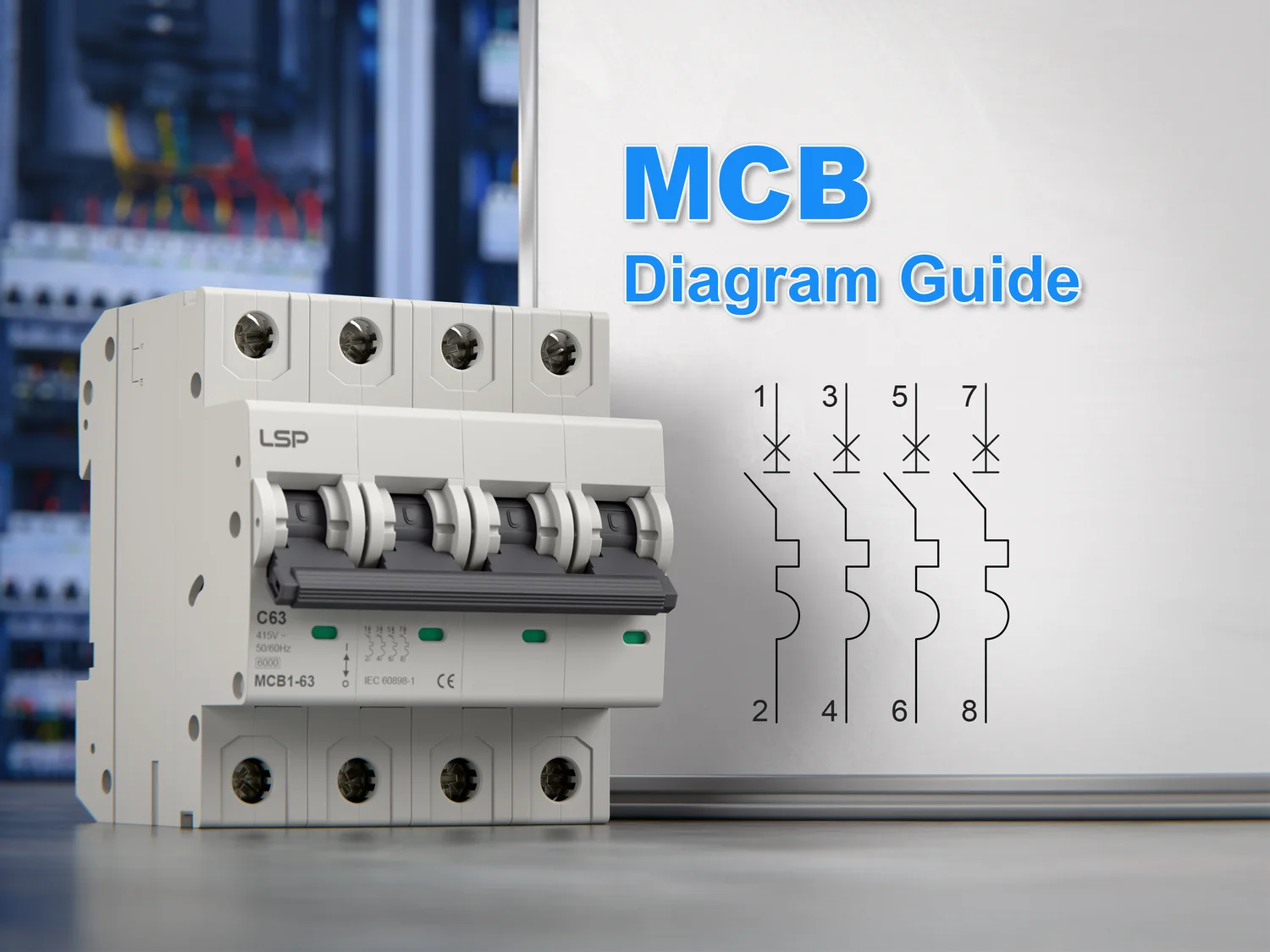
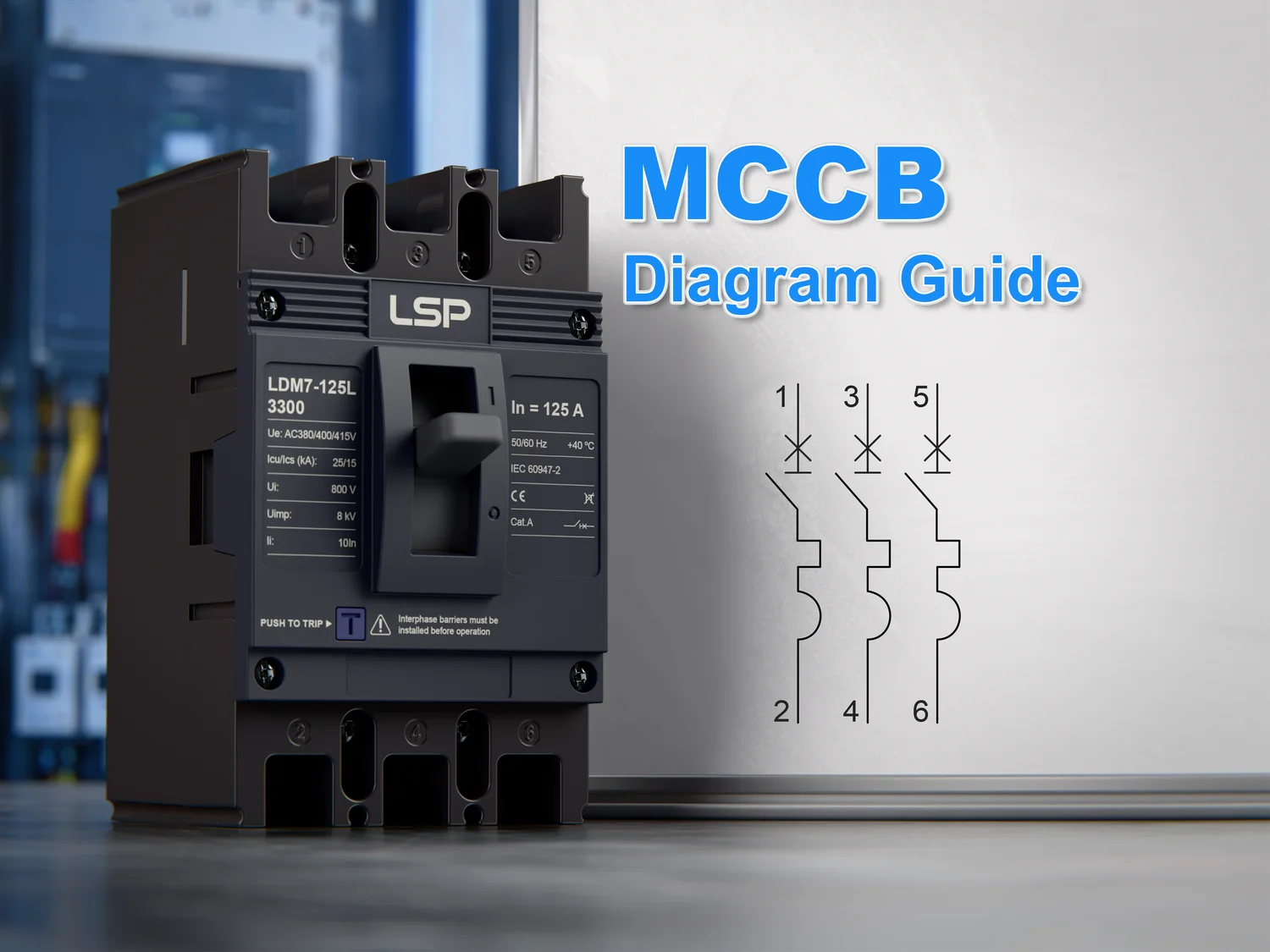
A fuse holder is a device that securely holds a fuse in an electrical circuit. You use a fuse holder to make sure a fuse connects safely and stays in place. This helps protect you and your equipment from electrical faults. If you want to know How Does Fuse Holder Work, you need to see that it lets the fuse break the circuit when too much current flows. This keeps your devices safe and prevents damage.
What Is a Fuse Holder
Fuse Holder Definition
A fuse holder is important in electrical systems. It is a device you put inside equipment to hold a fuse. This device works with different fuse sizes. It fits North American and international types. The fuse holder keeps the fuse secure in the circuit. It helps the fuse connect the right way. The fuse holder puts the fuse into the electrical path safely. This helps current flow well. It stops voltage from moving to other parts. You can change a fuse easily when it blows. The fuse holder makes this safe and simple.
Main Purpose
A fuse holder keeps the fuse in place. It lets the fuse work in the circuit. You need a fuse holder so the fuse can break the circuit. This happens if there is too much power. It protects your devices from damage. It also lowers the chance of fire. The fuse holder gives the fuse a safe cover. This helps the fuse work well and stay safe. You can reach the fuse quickly to change it. The fuse holder makes this easy. It keeps the current path strong. It stops voltage from hurting other parts. You trust the fuse holder to keep your system safe.
Tip: Always make sure the fuse holder fits the fuse type and size. This gives you the best protection.
Where Fuse Holders Are Used
Fuse holders are found in many places. They help keep things safe with electricity. Here are some common uses:
Automotive systems: Cars and trucks use fuse holders. They protect circuits for headlights, brake lights, and engine controls.
Household appliances: Fuse holders are inside fridges, microwaves, washing machines, and TVs. They protect the fuse and keep the device safe.
Industrial equipment: Factories and workshops use fuse holders. They protect big machines and automated equipment from too much current.
Electrical infrastructure: Fuse holders protect appliances and lights in homes, offices, and buildings.
Renewable energy: Solar and wind systems use fuse holders. They protect electrical parts and help manage power flow.
Application Type | Description |
|---|---|
Industrial Equipment | Big fuse holders protect machines and heavy equipment from too much current. |
Electrical Infrastructure | Fuse holders protect appliances and lights in buildings. |
Renewable Energy | Fuse holders protect parts in solar and wind systems. They help manage power to batteries and the grid. |
Fuse holders are in many devices. They are important for safety and circuit protection. You can trust a fuse holder to keep your electrical systems working well and safely.
How Fuse Holder Works
Fuse Holder and Circuit Connection
You use a fuse holder to connect a fuse to a circuit in a safe and reliable way. The fuse holder acts like a valve that controls the flow of electricity. It channels the current directly into the fuse. The main parts of a fuse holder include terminals that attach to the circuit, contacts that grip the fuse tightly, and insulation that keeps you safe from accidental shocks. This design makes the fuse holder an essential component in any electrical setup.
To connect a fuse holder to a circuit, you follow these steps:
Unplug everything. Always disconnect your device from its power source before you start.
Cut the circuit wire. Use wire-cutting pliers to snip the positive wire.
Strip the wires. Expose about a quarter-inch of wire on both the circuit and fuse holder ends.
Crimp the connections. Use butt-splice crimp connectors to join the wires securely.
Insert the fuse. Place the correct fuse into the holder.
Reconnect power. Plug your device back in and test the setup.
This process ensures that the fuse holder creates a strong and stable connection. You get a safe path for electricity, and the fuse can do its job without risk of loose wires or poor contact.
Step-by-Step Operation
Inserting the Fuse
You start by placing the fuse into the fuse holder. The holder grips the fuse tightly with its contacts. This step is important because it makes sure the fuse sits in the right spot. You do not want the fuse to move or fall out. The fuse holder keeps it steady and ready to work.

Making Electrical Contact
Once you insert the fuse, the contacts inside the fuse holder press against the metal ends of the fuse. This creates a solid electrical connection. The current flows from the circuit, through the fuse holder, and into the fuse. The fuse holder prevents voltage from leaking to other parts. You get a direct and safe path for electricity.
Breaking the Circuit on Surge
During normal operation, the current flows smoothly through the fuse. If too much current passes through, the fuse element heats up and melts. This action breaks the circuit. The fuse holder helps by keeping the fuse in place and making the break clear. When the fuse blows, you see a visible gap in the circuit. You can spot the blown fuse and replace it quickly.
Step-by-step during a power surge:
Normal operation: Current flows through the fuse, and everything works as expected.
Overcurrent event: Too much current causes the fuse element to melt. Heat builds up, and the fuse opens.
Fault isolation: The fuse holder creates a visible gap in the circuit. You can see the blown fuse and know it needs replacement.
Safety and Reliability
A fuse holder gives you more than just a place to put a fuse. It adds a layer of safety and reliability to your circuit. The fuse holder keeps the fuse secure and prevents accidental contact. This design lowers the risk of electric shock. Many fuse holders also protect against dust and moisture, which keeps the fuse working longer.
The insulation around the fuse holder is important. It stops voltage from creeping to other parts of the circuit. This feature keeps your system safe and stable. You can trust a fuse holder to make fuse changes easy and safe. The fuse holder is an essential component for protection in any electrical system.
Note: Always use a fuse holder that matches your fuse and circuit needs. This choice gives you the best safety and performance.
Fuse Holder Components
Main Parts
You find several important parts inside a fuse holder. Each part has a specific job. These parts work together to keep the fuse secure and make sure your circuit stays safe.
Component | Function |
|---|---|
Fuse Holder | Holds the fuse in place and ensures proper connection to the circuit. |
Terminals | Connect the fuse to the circuit and disconnect when the fuse blows. |
Materials | Vary from plastics to metals, providing insulation and thermal resistance. |
Snap lids/Screw caps | Secure the fuse and protect it from dust and moisture. |
Contacts
Contacts sit inside the fuse holder. You use contacts to grip the ends of the fuse. These metal pieces make sure electricity flows from the circuit into the fuse. Good contacts help the fuse work well. They stop loose connections and keep the fuse steady. You need strong contacts for safe operation.
Housing
The housing covers the fuse and contacts. You see the housing as the outer shell of the fuse holder. It protects the fuse from dust, moisture, and bumps. Most housings use plastic or metal. These materials give insulation and thermal resistance. The housing keeps you safe from electric shocks. You can trust the housing to keep the fuse holder working in tough places.
Mounting Features
Mounting features help you attach the fuse holder to a panel, a circuit board, or a wire. You find different mounting styles. Some fuse holders use snap-in mounts. Others use screw holes or clips. These features make installation easy. You pick the right mounting style for your project. Mounting features keep the fuse holder in place and stop it from moving.
Tip: Always check the mounting style before you install a fuse holder. This helps you avoid mistakes and keeps your fuse secure.
Fuse Carrier Role
The fuse carrier sits inside the fuse holder. You use the fuse carrier to hold the fuse and make sure it connects well. The fuse carrier improves electrical conductivity. This means less voltage drops and better performance. You get reliable protection for your circuit. The fuse carrier helps the fuse break the circuit quickly when needed. You can change the fuse easily with a good fuse carrier. This part keeps your electrical system efficient and safe.
You see that each part of the fuse holder has a clear job. Contacts grip the fuse. The housing protects it. Mounting features hold the fuse holder in place. The fuse carrier boosts performance. You need all these parts for strong protection and easy fuse changes.
Fuse Holder Types
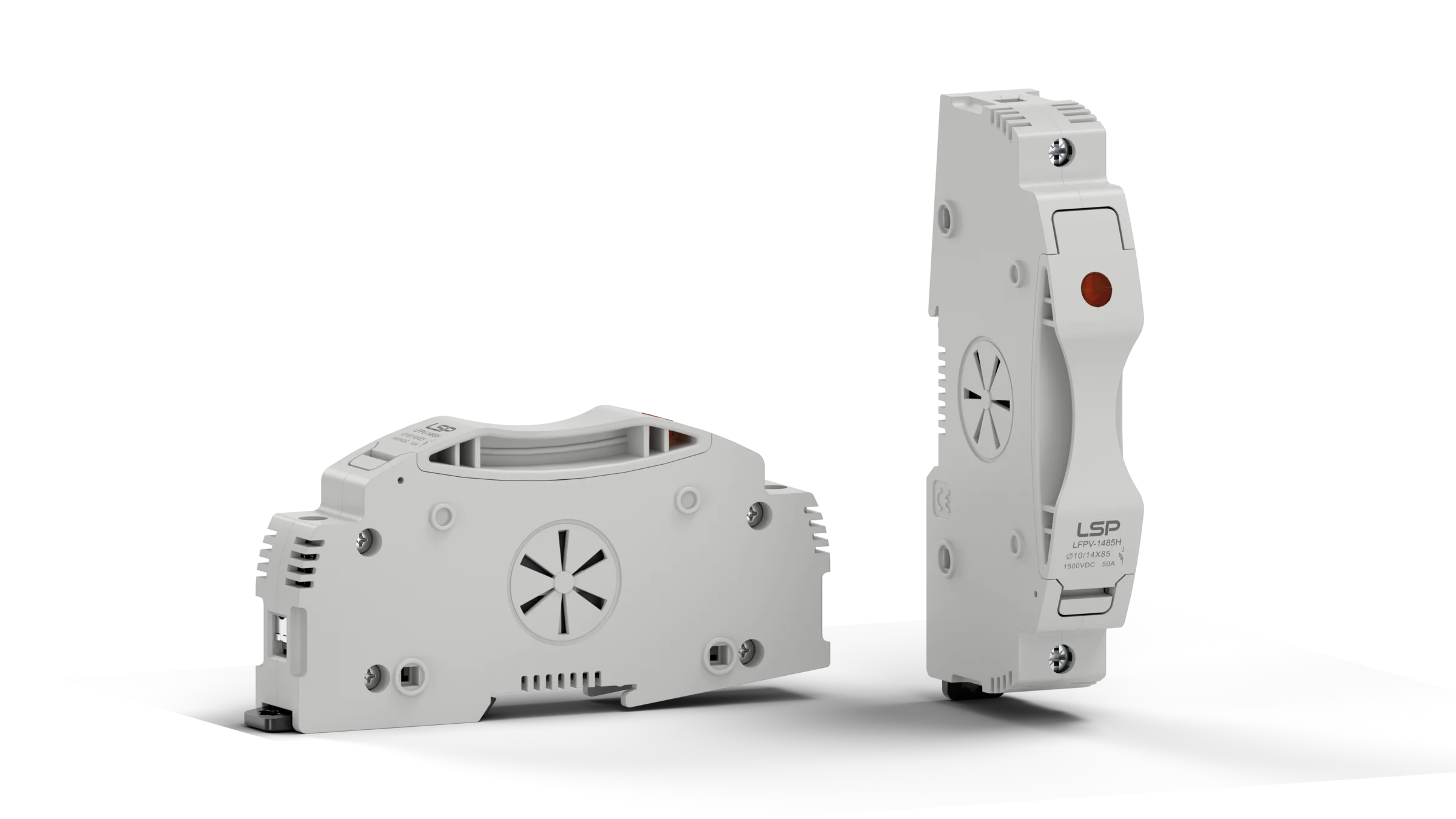
Panel Mount
A panel mount fuse holder lets you install a fuse directly into a control panel or dashboard. You see this type in many machines and electrical boxes. You push the fuse holder through a hole in the panel and secure it with a nut or clip. This setup keeps the fuse easy to reach. You can change the fuse without opening the whole device.
Panel mount fuse holders work well in places where you need to check or replace a fuse often. You find them in power supplies, test equipment, and control panels. The design protects the fuse from dust and bumps. You get a safe and neat look on your panel.
Tip: Always match the panel mount fuse holder to the right fuse size and voltage. This keeps your circuit safe and working well.
Inline
An inline fuse holder connects to a wire in your circuit. You cut the wire, strip the ends, and attach the fuse holder between them. This type is great for adding protection to a single wire or device. You see inline fuse holders in car audio systems, small appliances, and outdoor lights.
Inline fuse holders keep the fuse close to the device they protect. You do not need a panel or circuit board. You can use them in tight spaces or where you want a quick fix. The holder often has a cap or cover to keep the fuse safe from water and dirt.
Easy to install in the field
Good for temporary setups or single components
Keeps the fuse close to the power source
PCB
A PCB fuse holder mounts directly onto a printed circuit board. You solder the holder onto the board, and then insert the fuse. This type gives you a strong and stable connection. You find PCB fuse holders in computers, power supplies, and many electronic devices.
PCB fuse holders save space and help with automated assembly. You get a neat and reliable setup. The fuse stays in place even if the device moves or shakes. You can choose holders for different fuse sizes and ratings.
Type of Fuse Holder | Description | Pros | Cons |
|---|---|---|---|
Panel Mount | Mounted through a cutout on a control panel, often used in dashboards. | Easy access, secure fit, protects fuse from dust. | Needs panel space, may require tools for replacement. |
Inline | Spliced into a cable; ideal for temporary or single-component protection. | Simple to install, flexible placement. | Exposed to environment, may need extra protection. |
PCB | Soldered directly onto circuit boards for integrated protection. | Space-saving, good for automated assembly. | Not easy to replace fuse in the field. |
Note: Choose the right fuse holder type for your project. This helps you protect your circuit and makes maintenance easier.
Blade
You see blade fuse holders in many vehicles and electronic devices. A blade fuse holder keeps a blade fuse secure and connects it to the circuit. You use this type when you need a quick and easy way to protect your equipment. Blade fuse holders work with blade fuses, which have two flat metal prongs. You push the fuse into the holder, and the contacts grip the prongs tightly.
Blade fuse holders come in different sizes. You find mini, standard, and maxi blade fuse holders. Each size matches a specific blade fuse. You use mini blade fuse holders for small electronics. Standard blade fuse holders fit most cars and trucks. Maxi blade fuse holders protect larger circuits in heavy vehicles.
You install a blade fuse holder by snapping it into a panel or connecting it to wires. The holder keeps the fuse in place, even if the device shakes or moves. You can change the fuse quickly if it blows. The design lets you see the fuse, so you know when you need a replacement.
Tip: Always match the blade fuse holder to the right fuse size. This helps you avoid problems and keeps your circuit safe.
Blade fuse holders protect circuits in cars, boats, and many gadgets. You trust them to keep your fuse working and your equipment safe.
Blade Fuse Holder Type | Common Use | Fuse Size |
|---|---|---|
Mini | Small electronics | Mini blade |
Standard | Cars, trucks | Standard blade |
Maxi | Heavy vehicles | Maxi blade |
Cartridge
You use a cartridge fuse holder to hold a cartridge fuse. Cartridge fuse holders work with fuses shaped like small tubes. You see these holders in homes, factories, and many machines. The fuse holder keeps the fuse secure and connects it to the circuit. You slide the fuse into the holder, and the contacts grip the ends.
Cartridge fuse holders come in many styles. Some holders use a pull-out tray. Others use a twist-lock cap. You pick the style that fits your needs. Cartridge fuse holders protect circuits with higher voltage and current. You find them in air conditioners, ovens, and industrial equipment.
You install a cartridge fuse holder on a panel or inside a device. The holder keeps the fuse safe from dust and moisture. You can change the fuse easily when it blows. The design makes maintenance simple and safe.
Note: Always check the voltage and current rating before you choose a cartridge fuse holder. This helps you protect your circuit and equipment.
Cartridge fuse holders give you strong protection for many types of circuits. You rely on them to keep your fuse working and your system safe.
Cartridge Fuse Holder Feature | What It Does |
|---|---|
Pull-out tray | Lets you change the fuse fast |
Twist-lock cap | Keeps the fuse secure |
Panel mount | Installs on control panels |
You see blade and cartridge fuse holders in many places. Each type gives you a safe way to use a fuse and protect your circuit.
Why Fuse Holders Matter
Safety Benefits
You need a fuse holder to keep your electrical system safe. A fuse holder gives you more safety than many other devices. It helps you avoid electric shock when you change a fuse. Some fuse holders require tools to open, so you cannot touch live parts by mistake. You also find extra insulation and barriers inside many fuse holders. These features stop you from touching any live metal when you replace a fuse. Touchproof fuse holders let you access a blown fuse only from outside the equipment. This design keeps you safe every time you need to check or change a fuse.
Fuse holders with limited access reduce the risk of electrical shock.
Extra insulation and barriers prevent you from touching live parts.
Touchproof designs let you change a fuse safely from outside the device.
Tip: Always choose a fuse holder with safety features that match your needs.
Circuit Protection
A fuse holder plays a key role in circuit protection. You use a fuse holder to place a fuse in the right spot in your circuit. This setup helps you protect the circuit from damage. The fuse holder gives you a secure and easy way to add a fuse to any device. You find fuse holders in cars, homes, and factories. They help your appliances and machines work without trouble.
Fuse holders make it easy to add fuses to many types of equipment.
They improve the safety and efficiency of your electrical system.
Many fuse holders have modular designs or LED indicators for quick checks.
Fuse holders act as a defense in your circuit, stopping electrical surges before they cause harm.
You lower the risk of fire or accidents when you use a fuse holder.
You can trust a fuse holder to protect the circuit and keep your devices running smoothly.
Maintenance Ease
You want to fix problems quickly when a fuse blows. A fuse holder makes this job simple. You do not need special tools or skills. Many fuse holders have strong construction, so they last a long time. You can install or remove a fuse with little effort. Secure connection features help you avoid loose contacts. Some fuse holders have clear or transparent covers. You can see the fuse inside and know right away if it needs changing.
Feature | Benefit |
|---|---|
Robust construction | Lasts longer and works well in tough places |
Effortless installation/removal | Makes maintenance fast and easy |
Secure connection mechanisms | Keeps the fuse working with steady contact |
Transparent housing | Lets you check the fuse without opening the holder |
Note: A good fuse holder saves you time and keeps your electrical system safe and easy to maintain.
Using and Choosing a Fuse Holder
Selection Guidelines
Voltage and Current Ratings
When you pick a fuse holder, check voltage and current ratings. These ratings show what the fuse holder can handle. The space between terminals affects the voltage rating. Insulation coordination, set by rules like IEC 664/664A, matters too. Use a fuse holder only at its rated voltage or less. If you use it at higher voltage, it might fail.
Aspect | Description |
|---|---|
Terminal Distance | Changes how much voltage a fuse holder can handle. |
Insulation Coordination | Set by standards, helps decide voltage rating. |
Rated Voltage | Use fuse holder at or below this voltage. |
For current ratings, do not use the full rating. At 25 °C, use only 60% of the current rating. In real life, a UL rated fuse holder works best at 30% of its rating. Panel-mounted fuse holders may need even lower ratings because of tight spaces and contact resistance.
Fuse Compatibility
Match the fuse holder to the fuse type and size. Each fuse holder fits certain fuses, like blade, cartridge, or glass tube fuses. Check the fuse’s size and electrical rating. Using the wrong fuse can cause bad contact or overheating. The fuse holder must grip the fuse tightly and let you change it easily. Pick holders that fit your fuse and circuit.

Installation Tips
Install a fuse holder by following safe steps. Turn off the power before you start. Find the right spot for the fuse holder in your device or panel. Strip the wires so they fit into the holder. Put the fuse inside the fuse holder. Test the setup by turning on the power for a short time.
Turn off power to stay safe.
Find the spot for the fuse holder.
Strip wires so they fit in the holder.
Put the fuse in the holder.
Test by turning on power briefly.
About 10% of electrical problems come from bad fuse holder installation. Use the right fuse holder for your current and voltage needs to stop overheating. Tighten contacts to keep resistance low and stop arcing. You can use thermal grease to help conductivity and lower heating.
Maintenance
Keep your fuse holder working by checking it often. Look at the fuse and holder for damage or rust. Clean the holder and contacts to get rid of dirt. Change blown or damaged fuses right away. Follow the maker’s instructions for special care. Regular checks and cleaning can make your fuse holder last up to 30% longer.
Check fuses and holders for damage or rust.
Clean holders and contacts to remove dirt.
Change blown or damaged fuses quickly.
Follow maker’s instructions for care.
Make sure your fuse holder protects your circuit and keeps your devices safe.
Fuse Holder Troubleshooting
Common Mistakes
You may face problems with a fuse holder if you do not follow the right steps during installation or replacement. Many issues start with how you stack the parts on the fuse holder. If you put the components in the wrong order, you can disrupt the power flow. This mistake can cause your fuse to overheat or fail. You should always place the fuse directly on the fuse holder. The wire lug goes on top of the fuse. If you need a washer, put it above the wire lug, then add the lock washer and nut.
Here are some common mistakes you might see:
Stacking parts in the wrong order on the fuse holder.
Placing a washer between the fuse and the wire lug, which adds resistance and causes overheating.
Using the wrong fuse for your device or circuit. This can lead to fires, electric shocks, or damage to your equipment.
Choosing a fuse that does not match the size or type needed for your fuse holder.
Not checking the fuse holder for dirt, rust, or loose connections before installing a new fuse.
Tip: Always double-check the order of parts and the type of fuse you use. This helps you avoid safety risks and keeps your circuit working well.
Fixing Issues
You can solve most fuse holder problems by checking a few key things. Start by making sure all connections in the fuse holder are tight. Loose connections can cause power loss or make your fuse blow for no reason. Look at the wiring for any damage. If you see frayed wires or broken insulation, you should repair or replace them right away.
Use a test light or a multimeter to check the circuit. This tool helps you find faults in the fuse holder or the fuse itself. If you find a blown fuse, replace it with a new one that matches the correct ampere rating. Never use a fuse with a higher or lower rating than your device needs.
If you cannot find the problem or if the fuse keeps blowing, you should ask a professional for help. An electrician can check the fuse holder and the circuit for deeper issues.
Troubleshooting Step | What to Check or Do |
|---|---|
Tighten Connections | Make sure all parts in the fuse holder fit snugly. |
Inspect Wiring | Look for damaged or exposed wires. |
Test the Circuit | Use a test light or multimeter for faults. |
Replace Faulty Fuses | Use the correct fuse for your fuse holder. |
Seek Professional Help | Call an electrician if problems continue. |
Note: Regular checks and proper installation help your fuse holder last longer and keep your devices safe.
You use a fuse holder to keep the fuse in place. It helps you change the fuse fast when needed. The right fuse holder keeps you and your devices safe. Look at the table below for important facts:
Key Point | Description |
|---|---|
Secure Connection | Holds the fuse tight and keeps electricity moving safely. |
Easy Replacement | Lets you swap out a fuse quickly after too much current. |
Safety Features | Shields you from electrical danger when you fix things. |
Pick fuse holders with the right ratings and safety marks. Choose strong materials that work well in hard conditions. Follow these ideas to make your electrical projects safe and work well.
FAQ
What is the main job of a fuse holder?
A fuse holder keeps the fuse in place and connects it to your circuit. You use it to make sure the fuse works safely and protects your devices from electrical faults.
What types of fuse holders can you find?
You can find panel mount, inline, PCB, blade, and cartridge fuse holders. Each type fits different fuses and works best for certain devices or setups.
What fuse holder should you use for your car?
You should use a blade fuse holder for most cars. It fits standard automotive blade fuses and keeps your car’s circuits safe and easy to maintain.
What happens if you use the wrong fuse holder?
If you use the wrong fuse holder, you risk loose connections, overheating, or poor protection. Always match the fuse holder to your fuse type and circuit needs.
What materials make up a fuse holder?
Manufacturers use plastic, metal, or ceramic to build fuse holders. These materials give insulation, strength, and protection against heat and shocks.
What signs show your fuse holder needs replacing?
You see rust, cracks, or loose contacts. The fuse blows often or does not fit tightly. Replace the fuse holder to keep your circuit safe.