What Is a Distribution Board & Why It Matters in Power Systems
A distribution board (DB) is the central component of any power distribution system, providing a safe and organized way to deliver electricity from the main supply to individual circuits. What is a distribution board and why it matters is a fundamental question for engineers and designers of modern electrical systems.
The primary role of a distribution board is to ensure safety and reliability. It accomplishes this by providing overcurrent protection, circuit control, and surge protection. Essential components include miniature circuit breakers (MCBs), residual current devices (RCDs/RCBOs), busbars, and Surge Protective Devices (SPDs). Proper integration of these components reduces the risk of equipment damage, short circuits, and electrical fires.
A well-designed DB not only distributes power efficiently but also acts as a central control point in the electrical system. This organization ensures that circuits are properly separated, devices are protected, and maintenance can be carried out safely. Key safety features every distribution board must have are critical for system reliability and long-term performance.
International standards provide the framework for DB design and safety. Compliance with IEC 61439 ensures that the distribution board meets global requirements for construction, protection, and performance. Additionally, standards such as IEC 60947-2 for circuit breakers and IEC 61643-11 for SPDs define testing and installation criteria. Adhering to these standards guarantees interoperability, safety, and reliability across projects worldwide.
Early planning of a distribution board’s layout and component selection is essential for long-term system performance. Considering power distribution efficiency, surge protection integration, and safety compliance at the design stage reduces risks and simplifies future maintenance.
Key Components of Efficient Distribution Board Design
A distribution board relies on several critical components to ensure safety, reliability, and efficient power distribution. The main devices include miniature circuit breakers (MCBs), residual current devices (RCDs/RCBOs), busbars, and Surge Protective Devices (SPDs). Understanding their functions is essential for any electrical designer.
MCBs (Miniature Circuit Breakers) protect individual circuits from overcurrent and short circuits. They automatically disconnect the circuit when current exceeds the rated value, preventing damage to wiring and connected devices. Choosing the right MCB requires considering rated current, short-circuit breaking capacity, and the type of load.
RCDs/RCBOs (Residual Current Devices) protect against earth faults and leakage currents, reducing the risk of electric shock. RCBOs combine the functions of an RCD and an MCB, offering both overcurrent and leakage protection in a single device. Installing these devices at strategic points ensures maximum safety for end users.
Busbars serve as the main power distribution channel within the DB. They provide a solid and low-resistance connection between incoming power and the various breakers. High-quality busbars improve electrical efficiency, reduce heat generation, and support future system expansion. Proper sizing and material selection are essential for reliable operation.
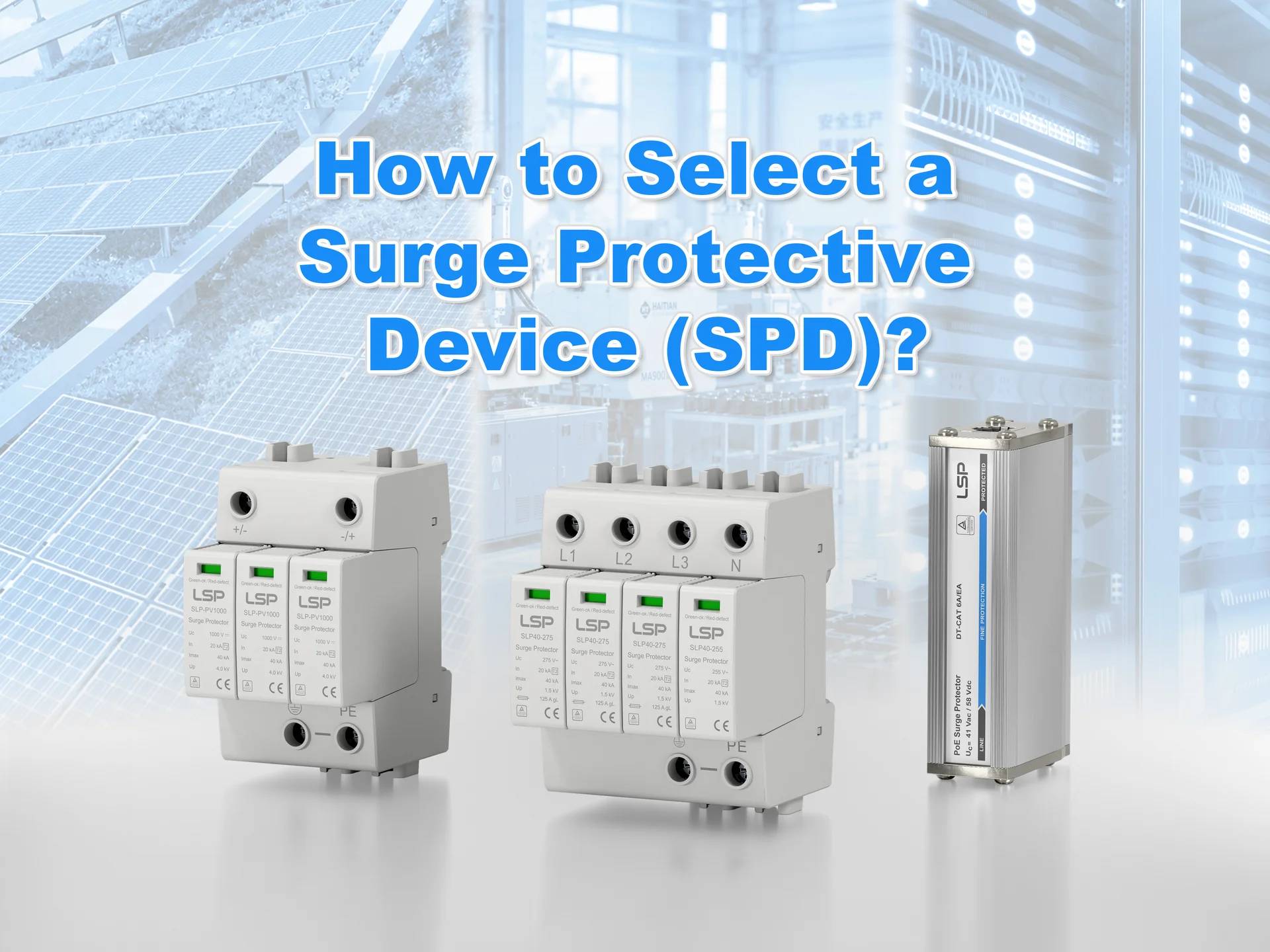
Surge Protective Devices (SPDs) are the third layer of protection in a modern DB. They safeguard connected equipment from voltage spikes caused by lightning or switching events. Proper selection and placement of SPDs, based on voltage rating (Uc), nominal discharge current (In), and maximum discharge current (Imax), ensures effective protection without compromising system efficiency.
When designing an efficient distribution board, considering all these components together is crucial. Using a balanced combination of MCBs, RCDs/RCBOs, busbars, and SPDs ensures not only compliance with IEC 61439 but also long-term safety and reliability. How to choose the right distribution board for your application depends on understanding these components and integrating them properly.
Integrating Surge Protection (SPD) for Safety & Reliability
Surge protection is a critical layer of safety in any Distribution Board Design. A properly selected and installed Surge Protective Device (SPD) safeguards connected equipment from voltage spikes caused by lightning strikes or switching events. Key safety features every distribution board must have include effective SPD integration to maintain long-term reliability.
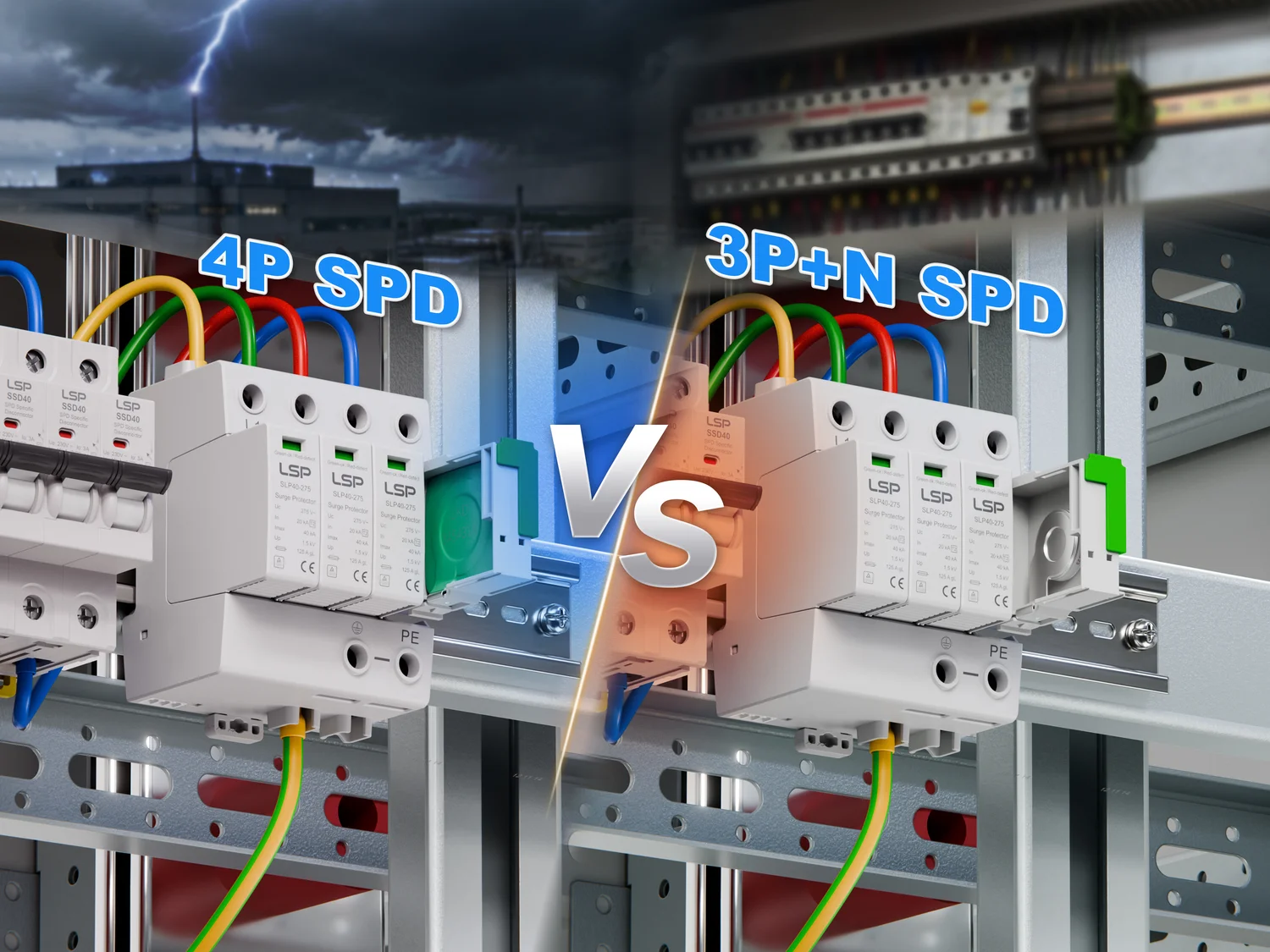
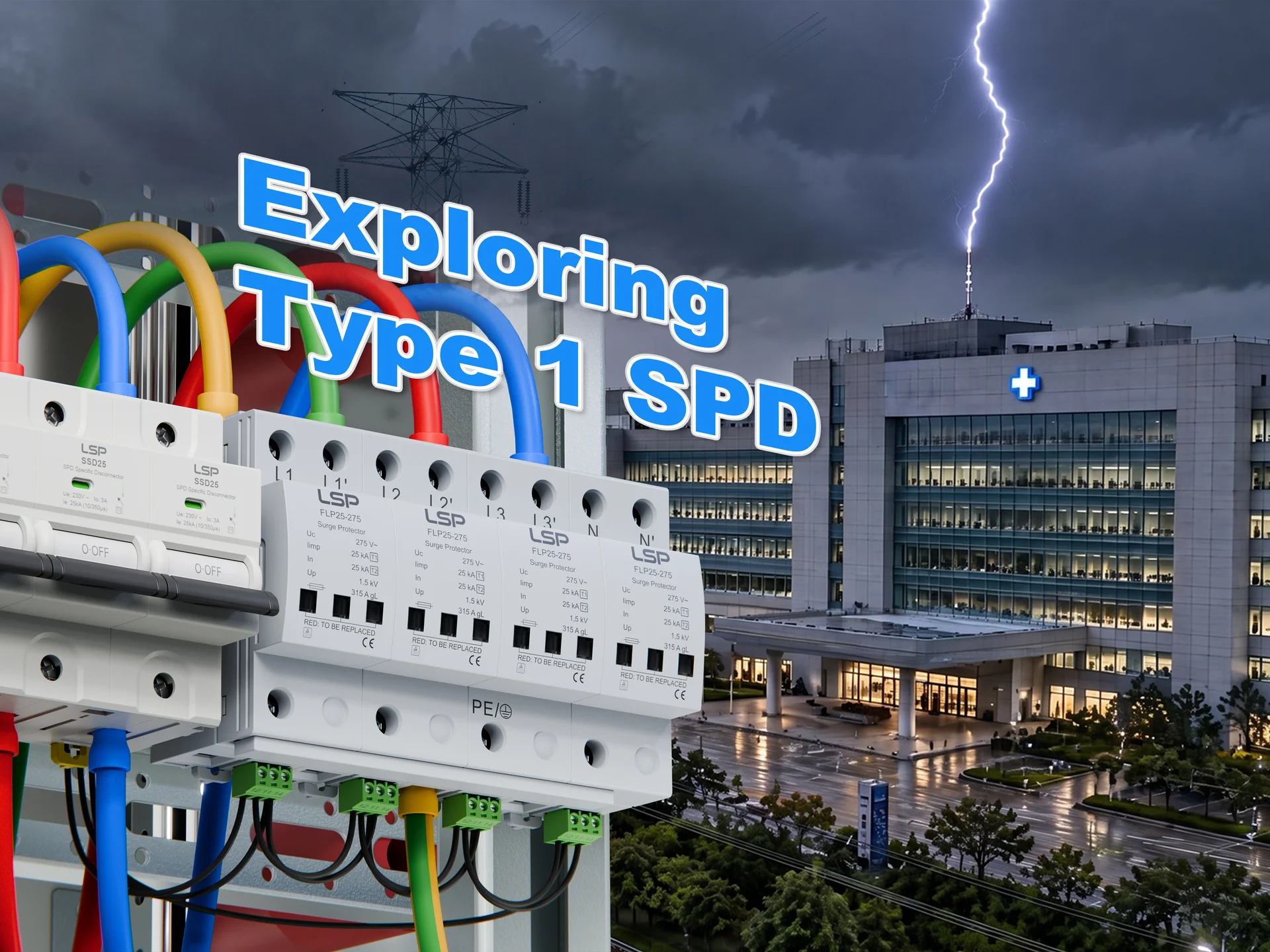
SPDs are classified into different types based on their application within the DB. Type 1 SPDs are installed at the service entrance and handle high-energy lightning surges. Type 2 SPDs are designed for distribution-level protection, clamping residual overvoltages after Type 1 SPDs. Type 3 SPDs are used at the equipment or load level for final protection. Choosing the correct SPD type depends on system voltage, location, and expected surge levels.
International standards ensure SPD reliability and compatibility. Compliance with IEC 61643-11 provides global guidelines for selection, testing, and installation of SPDs. Following these standards guarantees that SPDs effectively limit voltage spikes without compromising overall Distribution Board Design performance.
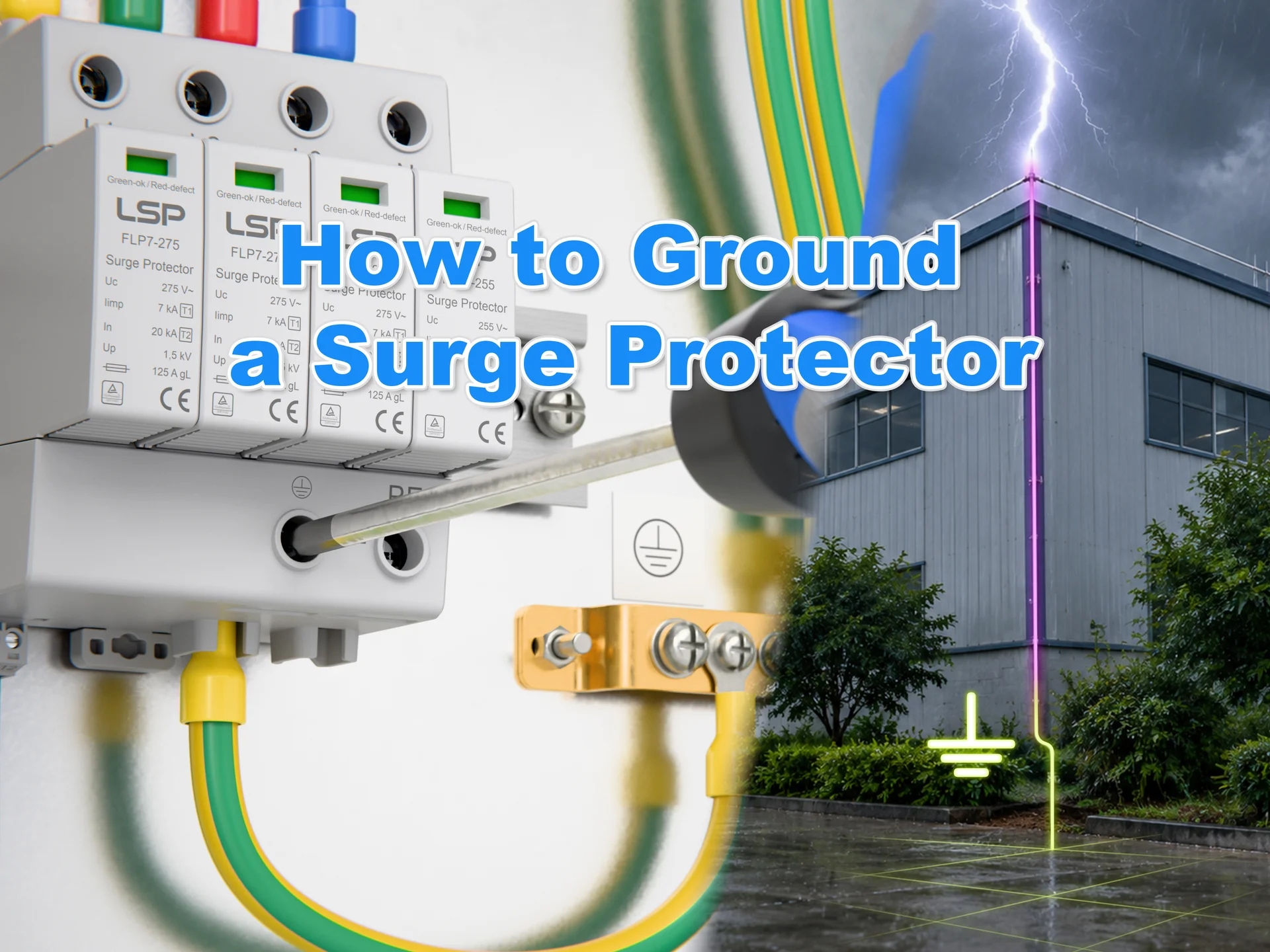
Proper placement of SPDs is crucial. They should be installed as close as possible to the circuits or equipment they protect. Short cabling between the SPD and protected devices ensures fast response to surges and minimizes potential damage. Integrating SPDs into the DB layout during the design phase is essential for achieving both protection and efficiency.
Regular maintenance and monitoring of SPDs help sustain their effectiveness. Checking SPD status indicators and replacing end-of-life devices ensures ongoing protection for sensitive equipment. How to choose the right distribution board for your application includes planning for SPD integration and lifecycle management.
Step-by-Step Guide to Layout, Installation & Thermal Management
A structured layout is essential for an efficient Distribution Board Design. Properly planning the position of breakers, busbars, SPDs, and RCDs ensures safe operation and easy maintenance. Early design decisions reduce installation errors and improve long-term reliability.
Step 1: Load Calculation and Circuit Planning

Accurately calculating the total load and dividing it among circuits is critical. Each breaker should match the load it protects, considering continuous and peak currents. This step prevents overloading and ensures the system operates within safe limits.
Step 2: Component Placement and Cabling
Place MCBs, RCDs/RCBOs, SPDs, and busbars logically. Minimize wiring distances, especially for SPDs, to ensure fast response to surges. Clear labeling and organized cabling improve maintenance efficiency and reduce human error.
Step 3: Thermal Management and Ventilation Heat buildup reduces the Distribution Board Design performance and lifespan. Ensure adequate spacing between components and provide natural or forced ventilation where needed. Using high-quality busbars and breakers with proper ratings also minimizes heat generation.
Step 4: Compliance and Safety Verification Verify that the layout and installation comply with IEC 61439 for DB assembly, IEC 60947-2 for circuit breakers, and IEC 61643-11 for SPDs. Compliance ensures global safety, reliability, and interoperability, reducing future maintenance issues.
Step 5: Testing and Commissioning After installation, conduct thorough testing of all circuits, protective devices, and SPDs. Verify voltage drops, breaker functionality, and SPD response. Proper commissioning ensures that the Distribution Board Design operates safely under normal and fault conditions.
Smart Features & IoT Integration in Modern Distribution Boards
Modern Distribution Board Design increasingly incorporates smart features to improve monitoring, control, and energy efficiency. IoT-enabled components allow real-time data collection, enabling operators to detect faults, optimize energy usage, and plan preventive maintenance.
Smart metering and monitoring devices provide continuous insights into voltage, current, and load distribution. These features enable quick identification of abnormal conditions, such as overloads or leakage currents, helping prevent equipment damage and downtime.
Remote diagnostics and alerts allow facility managers to respond proactively to issues. By integrating IoT sensors and communication modules, a Distribution Board Design can be monitored from anywhere, reducing the need for manual inspections and improving safety.
Data analytics from smart features can inform future DB upgrades, optimize load balancing, and extend equipment lifespan. When designing a modern Distribution Board Design, planning for smart integration ensures the system remains scalable and adaptable to evolving energy management needs.
Top 5 Mistakes to Avoid in Electrical Design
Ignoring proper load calculations is one of the most common mistakes in Distribution Board Design. Underestimating load can cause overloading, frequent tripping, and reduced equipment lifespan. Accurate planning of both continuous and peak currents is essential.
Improper integration of protective devices reduces the effectiveness of the design and increases the risk of failure. Failing to select the correct type or install devices close to the load makes systems vulnerable to surges and electrical faults. Proper placement ensures maximum safety and long-term reliability.
Neglecting thermal management can lead to overheating and reduced efficiency. Adequate spacing and ventilation are critical for maintaining safety and efficiency under load, preventing heat buildup, and sustaining long-term performance.
Poor cabling and labeling make maintenance difficult and increase human error. Organized wiring and clear labeling improve reliability, reduce downtime, and simplify future upgrades.
Non-compliance with international standards is a critical oversight. Following IEC 61439 for DB assembly, IEC 60947-2 for breakers, and IEC 61643-11 for surge protection ensures global safety, reliability, and interoperability.
Manufacturer Introduction & Product Recommendations

LSP is a leading manufacturer of high-quality electrical components for Distribution Board Design. Their SPDs are tested under high load and surge conditions to ensure durability and performance, providing fast response to overvoltage events and reliable protection for sensitive equipment.
Choosing LSP products ensures that your Distribution Board Design uses components certified by TUV, CB, and CE, guaranteeing the safety and reliability of your project.
Whether for standard configurations or customized solutions, LSP SPDs provide top-level surge protection technology, ensuring that your electrical installations remain secure and highly reliable.
Distribution Board Design & Surge Protection FAQ
What is the role of a surge protector in a Distribution Board Design?
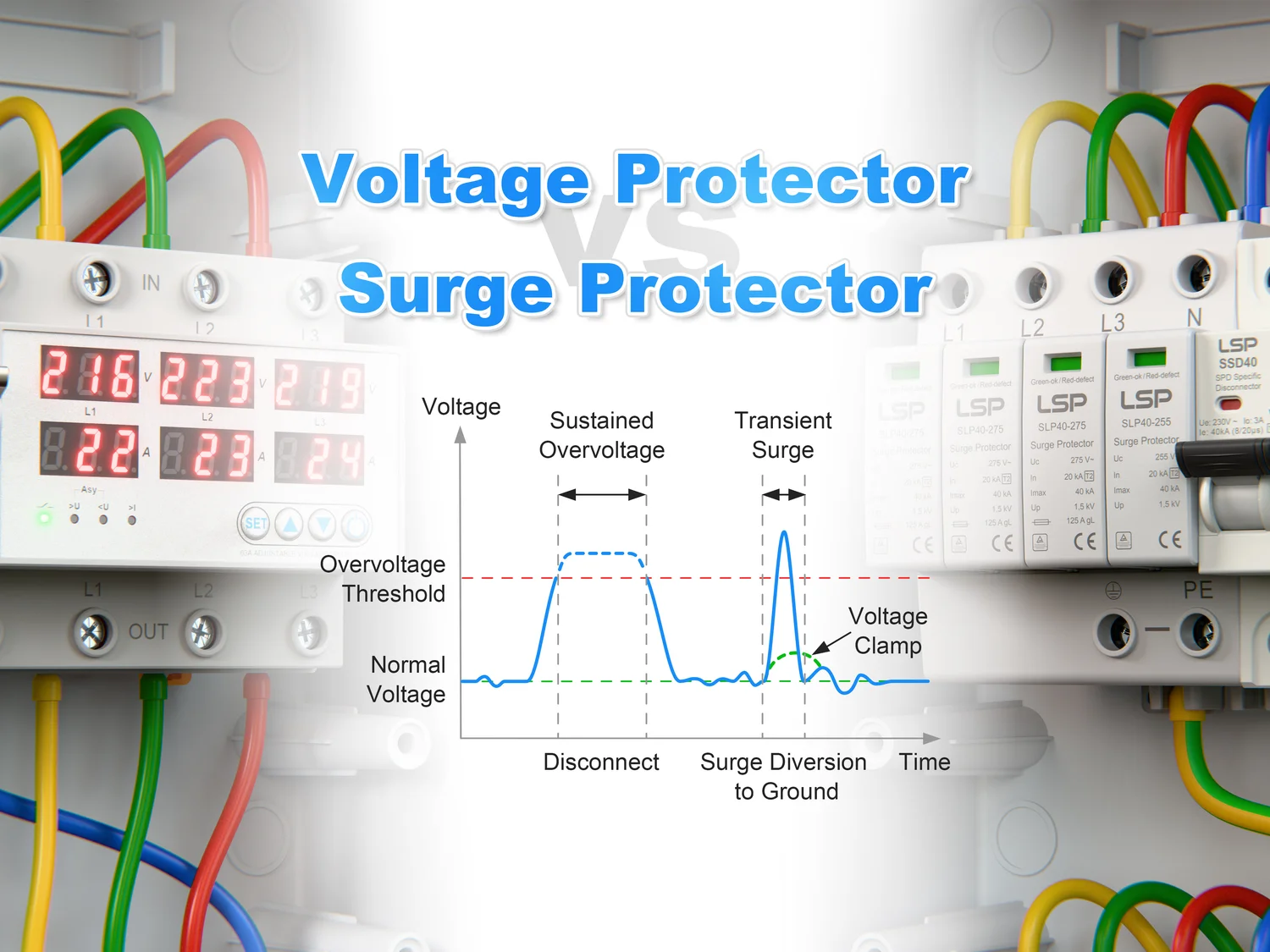
A surge protector clamps overvoltage and diverts surge current to ground, protecting sensitive devices from lightning or switching events. It is a critical layer of safety in Distribution Board Design.
How do I choose the correct SPD for my Distribution Board Design?
Choose an SPD based on system type, voltage rating, and surge current capacity. Ensure it complies with international standards like IEC 61643-11 to guarantee protection and reliability.
Can a Distribution Board Design function without an SPD?
Technically, it can operate, but omitting an SPD exposes all sensitive electronics to voltage spikes. Including SPDs is now considered a best practice and essential for modern designs.
How can I verify if the SPD in my Distribution Board Design is working?
Most SPDs have a status indicator. Green typically means operational, while red or no indication signals failure or end-of-life. Regular inspection is recommended to maintain protection.
What maintenance is required for a modern Distribution Board Design?
Routine inspection, checking connections, ensuring SPDs and breakers are functional, and confirming labeling are key maintenance tasks. Preventive care ensures reliability and safety.