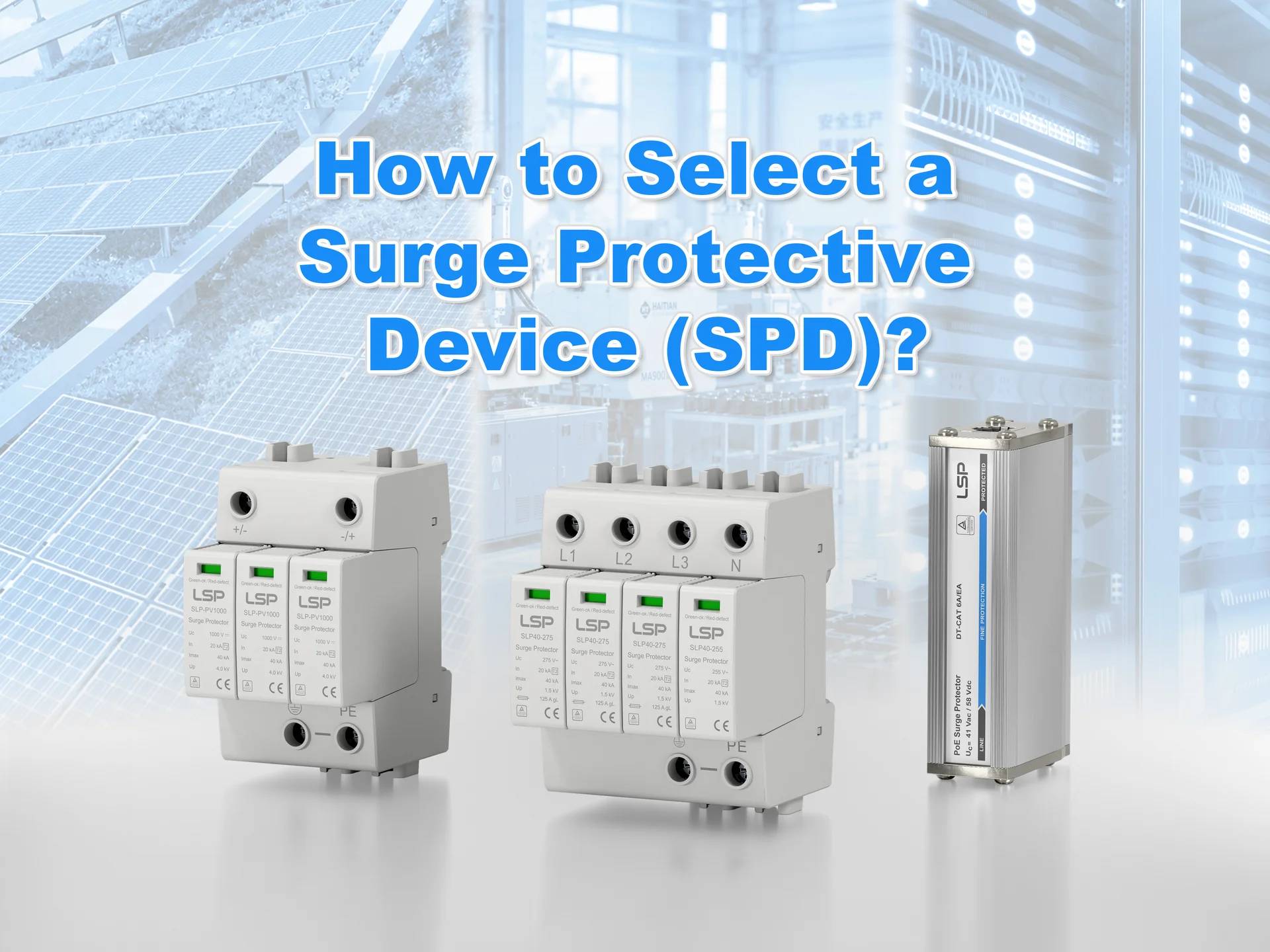
Every electrical system can have problems from sudden power changes. A surge can break important equipment and cost a lot to fix. If you do not have a good surge protector, your appliances might not be safe or work well. Whole-home protection helps, but an AC Surge Protector like the one from LSP gives more safety. This protector keeps electrical devices safe from lightning surge and other dangers.
Power Surges and AC System Vulnerabilities
What Causes Power Surges
Power surges happen when the voltage gets too high. These jumps in power can come from different things. Lightning surge is a big reason, especially when there are storms. Sometimes, the power company switches things and that can cause a spike. Bad wiring or broken equipment inside a building can also make power surges happen. Large machines turning on or off can send spikes through the wires. All these things can make strong power surges that can hurt sensitive devices.
Tip: Check your wiring and equipment often to help stop surprise spikes.
How Power Surges Affect AC Units
Air conditioning units have lots of electronic parts and motors. Power surges can move through wires and reach these parts. If a surge hits, it can break the control board or compressor right away. Even small spikes can slowly damage the insulation or wear out the motor. This damage might not show up at first, but it can make the AC unit not last as long. If power surges keep happening, the AC can stop working suddenly during hot days. This means people might not have cooling when they need it most.
A table below shows common effects of power surges on AC units:
Surge Event | Possible Effect on AC Unit |
|---|---|
Lightning surge | Control board failure |
Utility switching | Motor overheating |
Internal spikes | Sensor malfunction |
Equipment startup | Relay or fuse damage |
Why AC Systems Need Extra Protection
AC systems have special electrical problems. They run for many hours and use sensitive electronics. Whole-home protection does not always stop all spikes from getting to the AC unit. Special Surge Protection Devices, like those from LSP, grab extra voltage and send surge current to the ground before it reaches the equipment. This extra protection helps stop expensive damage and keeps the system working well. By stopping both outside and inside power surges, special protection makes the whole electrical system safer and more reliable.
Note: Using a surge protector with a clear status window lets people see if the device is working right.

Whole-Home Surge Protection vs. Dedicated AC Surge Protector
Limitations of Whole-Home Surge Protection
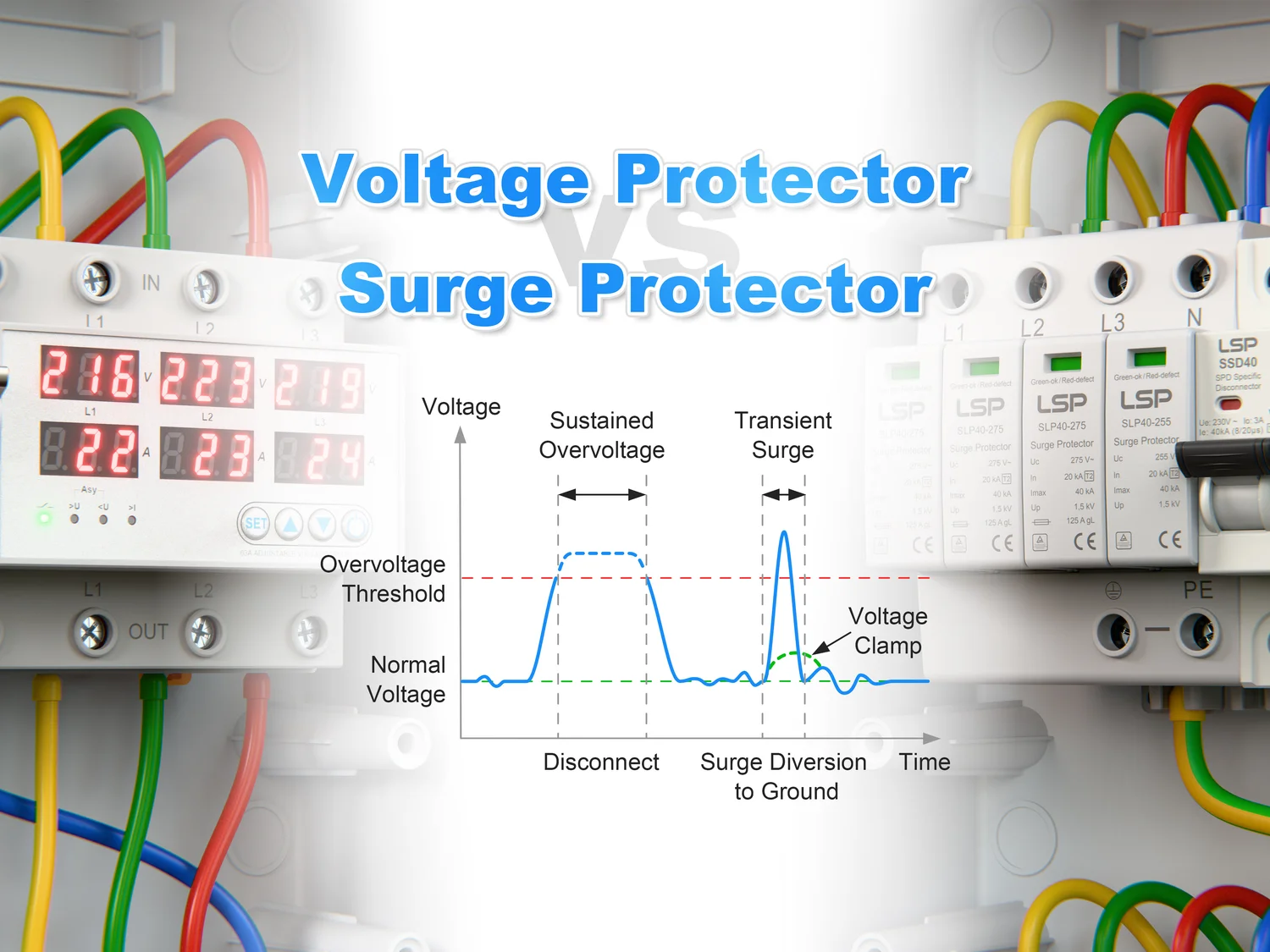
Whole-home surge protection is set up at the main panel. It helps stop too much voltage from lightning surge or utility switching. This system protects many things at once. But it cannot block every surge from getting to sensitive equipment. Some surges start inside the building when big appliances turn on or off. These surges can skip past the main protector and reach the air conditioning unit. HVAC surge protector devices need extra help because whole-home surge protection may not act fast enough to send surge current to the ground every time.
A table below shows where whole-home surge protection can miss:
Protection Type | Stops External Surges | Stops Internal Surges | Fast Response for AC Units |
|---|---|---|---|
Whole-home surge protection | Yes | Sometimes | Sometimes |
Dedicated ac surge protector | Yes | Yes | Yes |
Note: Whole-home surge protection helps keep things safe, but it does not always stop every surge from hurting every device.
Added Value of a Dedicated AC Surge Protector
A dedicated ac surge protector gives special protection for air conditioning units. This device stops too much voltage and sends surge current to the ground right at the AC system. It acts fast for both lightning induced and inside surges. HVAC surge protector devices keep important parts like control boards and compressors safe. They also help stop sensor problems and relay damage. Dedicated ac surge protector units often have a status window. The window shows if the protector is working. Green means it is good, and not green means there is a problem. This makes it easy for people to check if they are protected.
Benefits of using a dedicated ac surge protector:
Acts fast to stop surges near the AC unit.
Keeps sensitive electronics safe from outside and inside surges.
Has a clear status window for easy checking.
Lowers the chance of expensive repairs and system downtime.
Tip: Put a dedicated ac surge protector on each HVAC system for the best protection.
When to Use Both for Maximum Protection
Many buildings use both whole-home surge protection and dedicated ac surge protector devices. Using both gives the best safety. Whole-home surge protection stops big outside surges from lightning surge or utility switching. Dedicated ac surge protector units keep HVAC systems safe from inside surges and quick voltage jumps. HVAC surge protector devices work with whole-home surge protection to cover all types of surges.
A simple list shows when to use both:
Buildings with costly HVAC systems.
Places with lots of lightning induced surges.
Sites with sensitive electronics or lots of equipment starting up.
Areas where downtime is a big problem.
Alert: Using both kinds of protection makes sure surges do not hurt important equipment.
HVAC surge protector devices and whole-home surge protection together make a strong shield. This keeps electrical systems safe and working well.
Choosing the Right AC Surge Protector for Your Needs
Factors to Consider (Type, Sizing, Compatibility)
Picking the right ac surge protector takes some thinking. You need to look at the type, size, and if it fits your system. Every electrical system is different. LSP has Type 1, Type 2, and Type 3 devices. Type 1 goes at the service entrance. Type 2 is for the distribution panel. Type 3 is used near the equipment.
The size of the device is important for good protection. People should check the maximum continuous operating voltage (Uc) and nominal discharge current (In) for each SPD. The device must fit the system’s voltage and the surge level you expect. It also needs to work with your panel and wiring. LSP has choices for single-phase and three-phase systems.
A table below helps you compare the main features:
Type | Installation Point | Main Use |
|---|---|---|
Type 1 | Service entrance | Lightning surge protection |
Type 2 | Distribution panel | Switching surge protection |
Type 3 | Near equipment | Sensitive device protection |
Tip: Always check your system’s voltage and current before picking a surge protector.
Professional vs. DIY Installation
Some people want to install a surge protector by themselves. Others think about hiring a professional. A professional makes sure the device meets IEC standards and works right. Electricians know how to connect the device, test the ground, and check the status window. They also make sure the wiring is safe and the device can send surge current to the ground.
Doing it yourself might look easy, but mistakes can happen. Bad wiring or grounding can stop the device from working. For safety, many people pick a certified electrician. This helps the surge protector work well and keeps the system safe.
Alert: Getting a professional helps you avoid mistakes and gives better surge protection.
Why Choose LSP for Surge Protection
LSP is a trusted company for surge protection. They have many SPDs for AC and DC systems. You can find Type 1, Type 2, and Type 3 devices for different uses. LSP products meet IEC standards and have TUV, CB, and CE certifications. These show the devices passed tough safety and performance tests.
LSP lets people ask for special features or sizes if needed. The company helps over 1200 clients in 35 countries. Many people pick LSP because they care about quality and customer service. Their test labs and careful work help LSP make products that work well in many places.
Note: LSP’s good name and certified products make it a smart pick for anyone who wants strong surge protection.
About LSP: Your Trusted Surge Protection Partner
LSP Brand Overview and Mission

LSP began in 2010 as a company making surge protection. Its main office and modern factory are in China. LSP works to keep electrical systems safe from lightning surge and switching events. The team at LSP thinks every electrical system should have strong protection. They use research to create new solutions for many industries. LSP wants to help people keep their equipment safe and working longer. The company’s goal is to lead in surge technology and give reliable products for all needs.
LSP helps over 1200 companies in 35 countries. Many customers trust LSP because it cares about quality and safety.
LSP AC Surge Protector Product Line
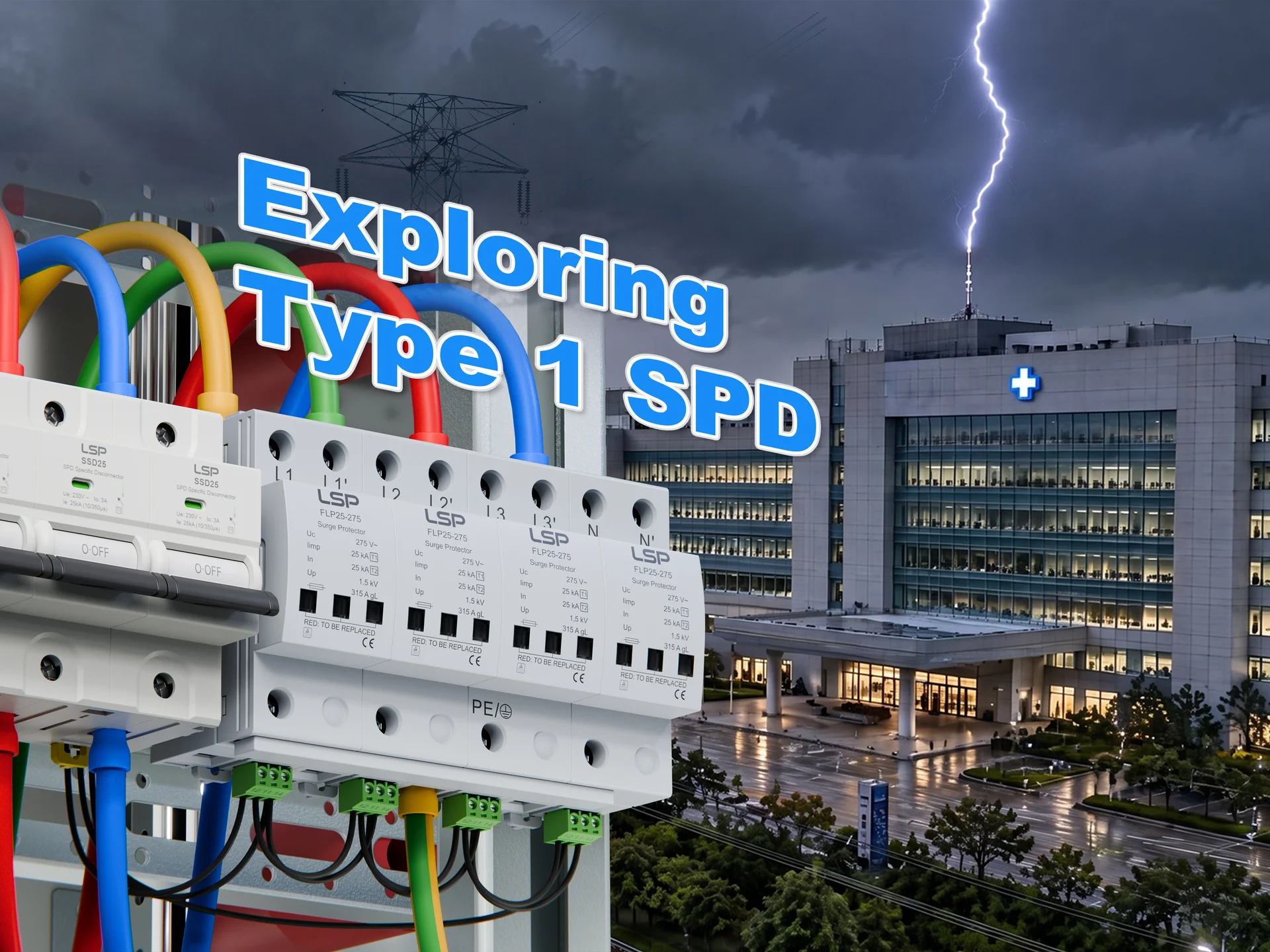
LSP makes many surge protective devices for AC power systems. The main products are Type 1, Type 2, and Type 3 surge protector models. Type 1 devices protect at the service entrance and handle strong lightning induced surges. Type 2 models work at distribution panels and stop switching surges. Type 3 units go near sensitive equipment and give extra protection for control boards and electronics.
A table below shows the main features of LSP’s AC surge protector line:
Type | Main Use | Installation Point | Key Feature |
|---|---|---|---|
Type 1 | Lightning surge protection | Service entrance | High surge current capacity |
Type 2 | Switching surge protection | Distribution panel | Fast response, clamp overvoltage |
Type 3 | Sensitive device protection | Near equipment | Point-of-use, status window |
LSP uses advanced Metal Oxide Varistor (MOV) technology in each protector. The devices react fast to voltage spikes and send surge current to ground. Each model has a status window. Green means it works right. If not green, the device needs checking. LSP also makes custom solutions for special projects.
Certifications, Achievements, and Customer Trust

LSP follows strict IEC standards for every surge protector. The company tests all products in its own labs. LSP’s surge devices have TUV, CB, and CE certifications. These show the products meet world safety and performance rules. LSP has helped many industries, like photovoltaic power plants, energy storage, and factories.
Customers pick LSP for its reliable products, strong support, and focus on safety.
LSP’s team helps clients choose the right surge solution for each system. The company gives technical advice, quick delivery, and after-sales support. Many customers stay with LSP for years because they trust the brand’s quality and care.
An ac surge protector keeps AC systems safe from surges. Surges from lightning or switching can hurt equipment and make it not last as long. Whole-home protection does not stop every surge. A surge protector close to the AC unit helps block extra voltage and sends surge current to the ground. LSP has good options for this. For the best help, ask a professional or check LSP’s website for more details.
FAQ
What is an AC surge protector?
An AC surge protector is a device that finds sudden voltage spikes. It sends surge current to the ground to keep equipment safe from lightning surge and switching events. LSP AC surge protectors use smart technology to stop overvoltage and protect systems.
How does the status window on LSP AC surge protectors work?
The status window shows if the device is working right. Green means it is working normally. If it is not green, something is wrong and you should check or replace it. People can look at the window easily to make sure they are protected.
Can I install an AC surge protector myself?
A certified electrician should put in the surge protector. This makes sure it follows IEC standards and is grounded right. Good installation lets the device send surge current to the ground and gives the best protection.
What types of LSP AC surge protectors are available?
LSP has Type 1, Type 2, and Type 3 AC surge protectors. Type 1 goes at the service entrance and protects from lightning surge. Type 2 stops overvoltage at the panel. Type 3 protects sensitive equipment right where it is used.
How often should I check the surge protector’s status window?
People should look at the status window every month. Checking often helps find problems early. This makes sure the surge protector keeps stopping overvoltage and keeps the system safe.
What certifications do LSP AC surge protectors have?
LSP AC surge protectors have TUV, CB, and CE certifications. These show they follow IEC standards and work well for many places around the world.